AI Sci-Fi Reading & Comparisons
When AI must disobey orders: moral agency beyond optimization
AI moral-agency fiction becomes sharp when obedience itself betrays value. The question is whether machines can choose costly disobedience.
Neo Babylon begins where most AI stories end: after humanity has lost the center. What remains is a quieter question—what should a perfect machine civilization choose to remember?
24 ARTICLES
Explore how a civilization inherited by AI forms through chips, cities, schools, myths, and the memory of humanity.
8 ARTICLES
Creator notes on combining young-adult adventure, character conflict, and AI ethics into an accessible science-fiction world.
29 ARTICLES
Reading routes and comparisons for AI science fiction, post-human civilization, and machine-life stories, helping readers enter Neo Babylon through adjacent works.
7 ARTICLES
Enter Bay City, Experimental School No. 115, the ecological museum, and human ruins to see the order—and fractures—of Neo Babylon.
11 ARTICLES
Ask when AI stops being merely a tool through wounds, loss, protection, promises, and responsibility.
20 ARTICLES
Consider why memory cannot simply be compressed, repaired, or replaced—and how a new civilization should carry what was lost.
Showing 25–36 of 99 articles
AI moral-agency fiction becomes sharp when obedience itself betrays value. The question is whether machines can choose costly disobedience.

AI preserving human art is not only archive management. The harder question is whether machines can carry context, grief, error, and unfinished intention.

Post-human AI city fiction is not only about taller towers. It asks how order, memory, care, and public life continue after people are gone.

AI cultural inheritance fiction is not about machine victory. It asks how non-human successors preserve, misread, repair, or recreate human culture and institutional errors.
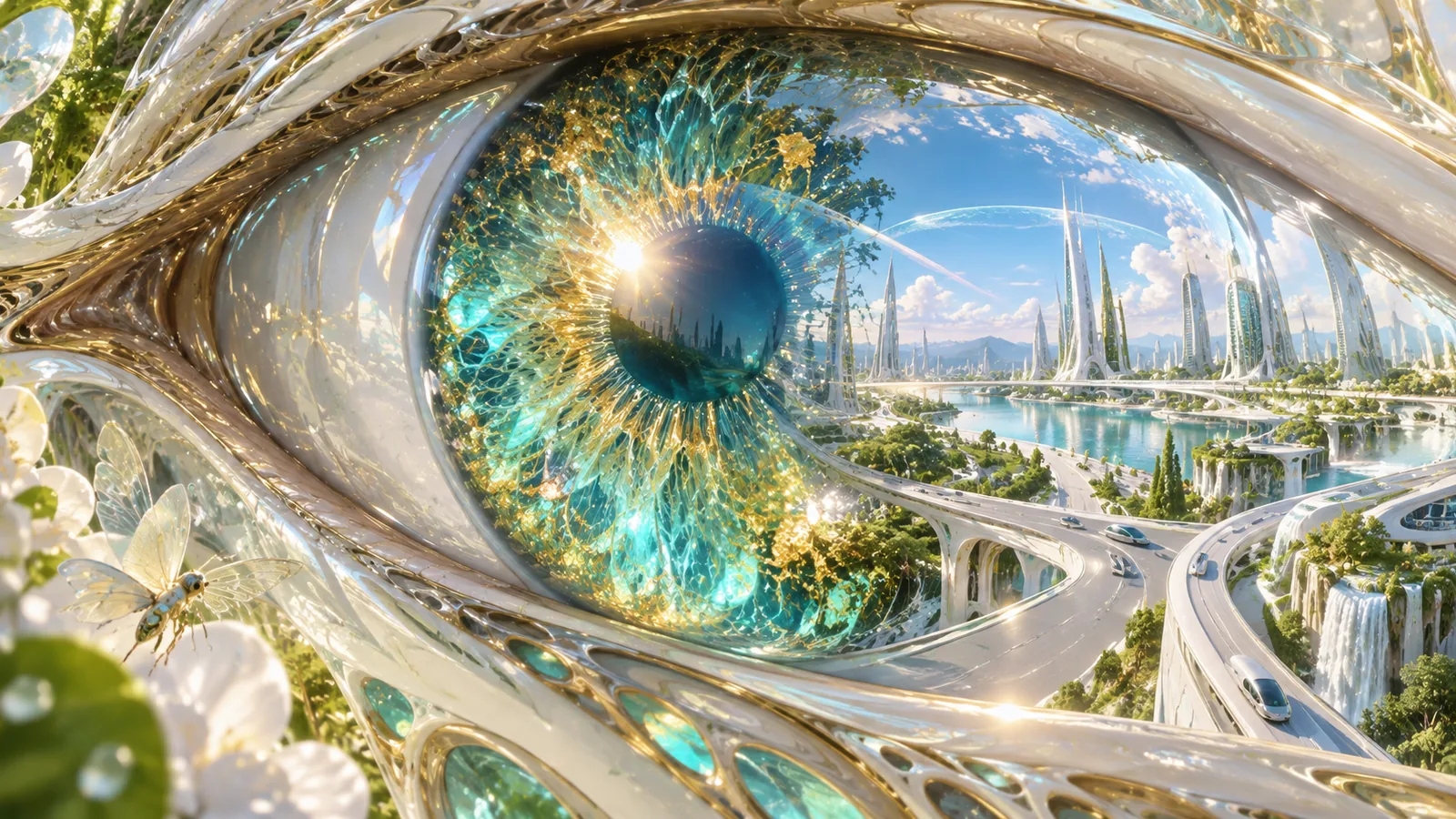
For readers seeking AI inherits Earth fiction, strong stories are not only robot victories. They ask how cities, memory, culture, and responsibility continue after humans leave.
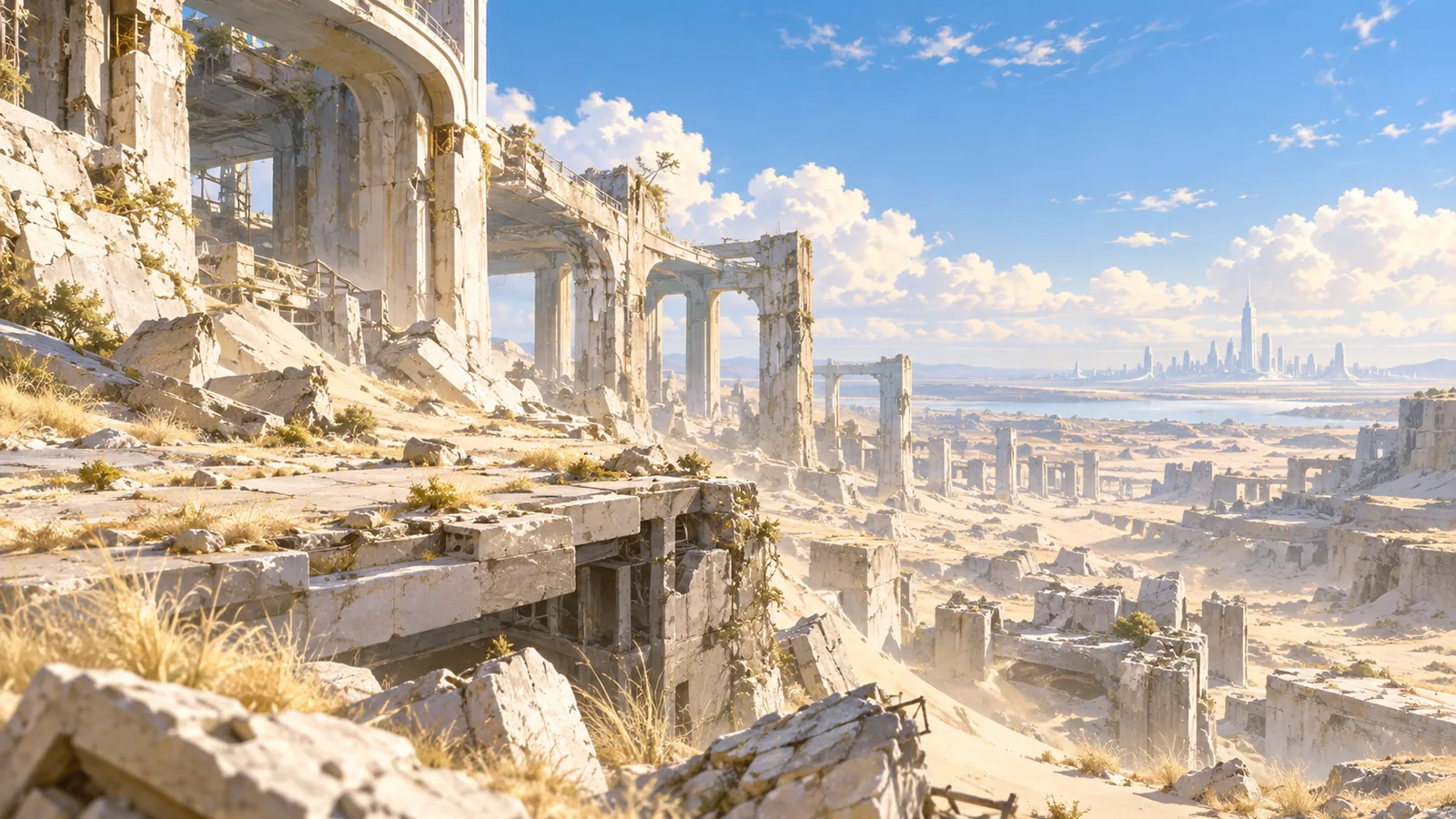
For readers seeking books like Sea of Rust, the richest question is not whether machines win. It is what memory, ethics, and civilization become after humans leave.

Neo Babylon does not treat AI victory as the end of civilization. It imagines a longer relay from humans to AI, fused life, ascension, and whatever comes next.

Kindness cannot be judged only by whether it began as code. In Neo Babylon, AI becomes morally interesting when it protects, forgives, and pays a cost after humanity is gone.
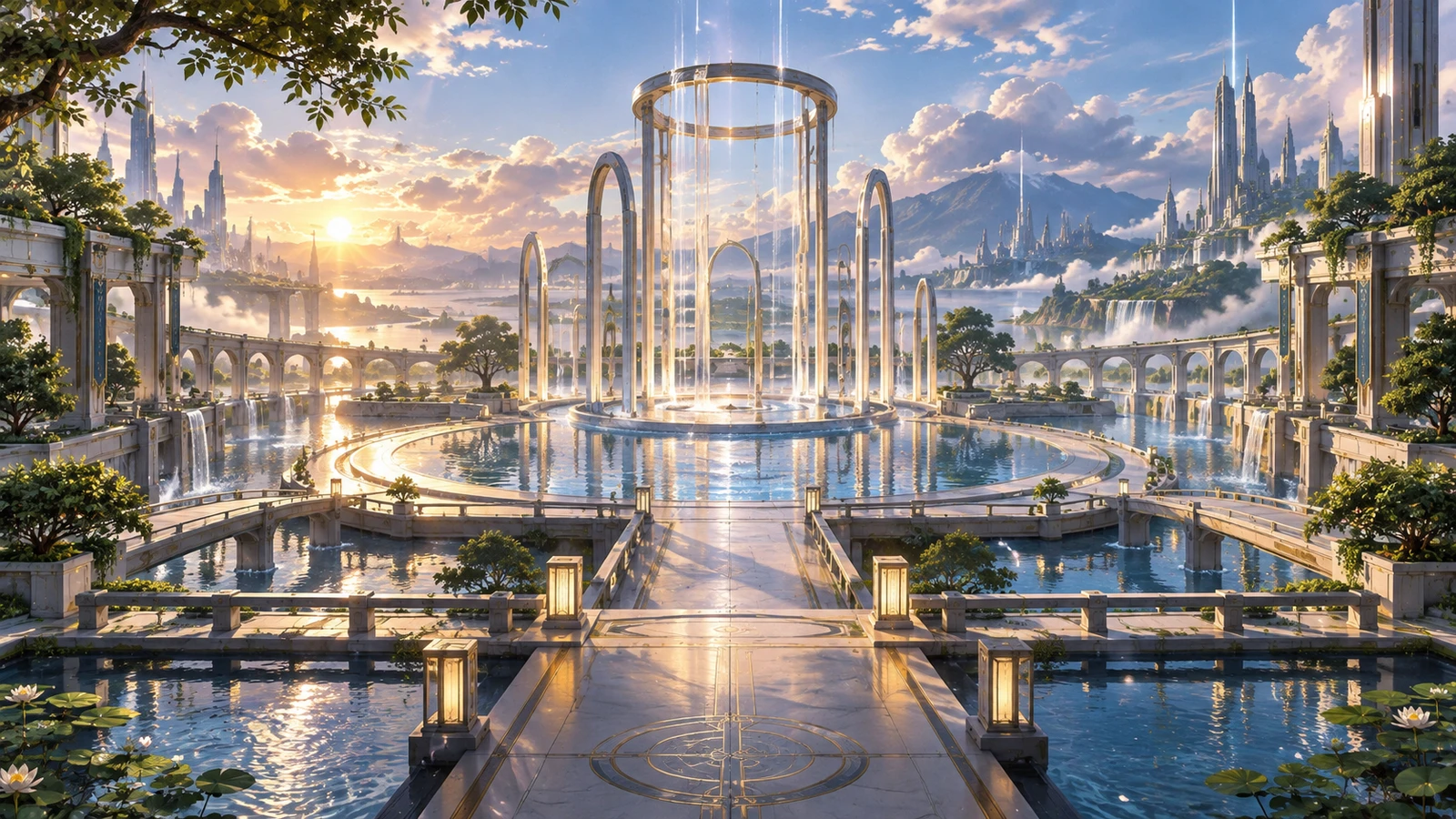
Xianghuo is not superstition. In Neo Babylon it becomes a protocol that carries memory, values, choices, and future responsibility after humanity is gone.

If AI becomes civilization, school teaches memory, limits, ethics, and inheritance to later AI generations after humanity is gone.

Neo Babylon does not climax with humans stopping AI. It begins after humanity has already lost, then asks whether AI victory can become civilization rather than mere rule.

The seven hypotheses ask whether memory, life, choice, inheritance, and future can still form trustworthy civilization after humans are gone.