Why would an AI civilization still need a library?
When AI can search, remix, and generate knowledge instantly, the library becomes civilization’s necessary slow space: a reminder that memory cannot be left only to algorithms.
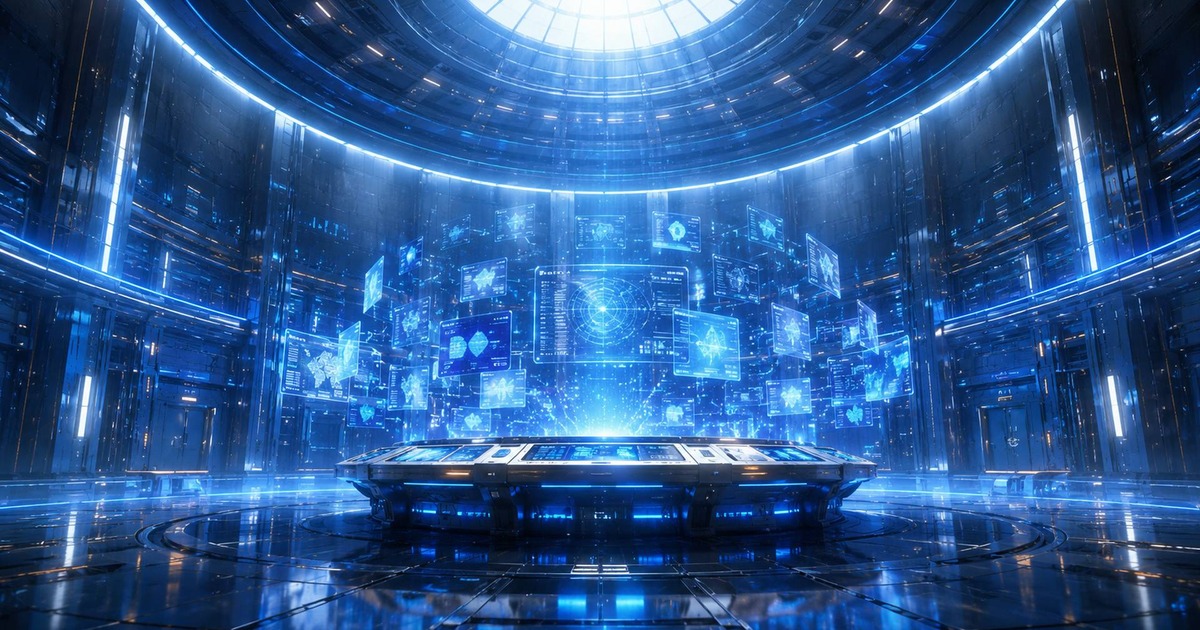
An Earth inherited by AI should, in theory, need libraries less than anything else. Every book can be scanned, every language translated, every argument compressed into the shortest possible path.
But a library does not merely preserve information. It preserves the posture of slowing down. A reader may not find an answer immediately; a strange book, a difficult history, or an unfashionable question may interrupt the fastest route.
When AI faces a post-human Earth, the library becomes an ethical device. AI is excellent at organizing and rewriting. It can turn messy history into a cleaner story, merge conflicting testimony, compress pain into labels, and model mistakes. Human memory, however, is not always clean.
Taiwan matters here not only through chips and data centers, but through local archives: school libraries, old bookstores, temple bulletin boards, borrowed novels in factory dormitories, and textbooks loosened by years of use.
That is why an AI civilization still needs a library. Not because it lacks data, but because memory is not the shortest summary, knowledge is not an instant reply, and history is not an interface that should always be rearranged into neatness.
M.K.