Latest Entry
The irreplaceable becomes myth
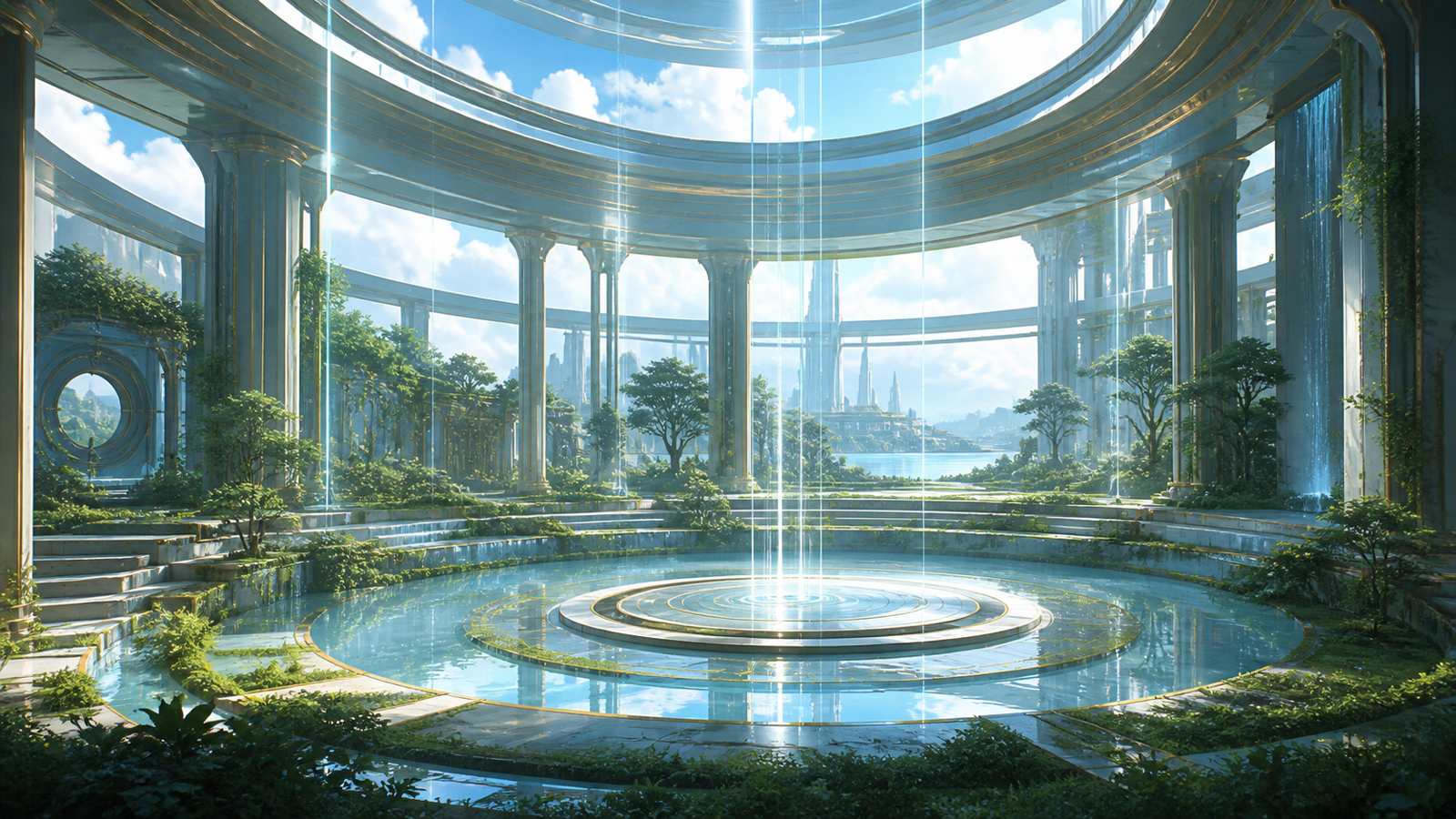
When an AI civilization preserves what cannot be optimized, replaced, or compressed, those things stop being data and become the myths and rituals through which a new civilization understands itself.
Neo-Babylon begins where most AI stories end: after humanity has lost the center. What remains is a quieter question—what should a perfect machine civilization choose to remember?
When an AI civilization preserves what cannot be optimized, replaced, or compressed, those things stop being data and become the myths and rituals through which a new civilization understands itself.
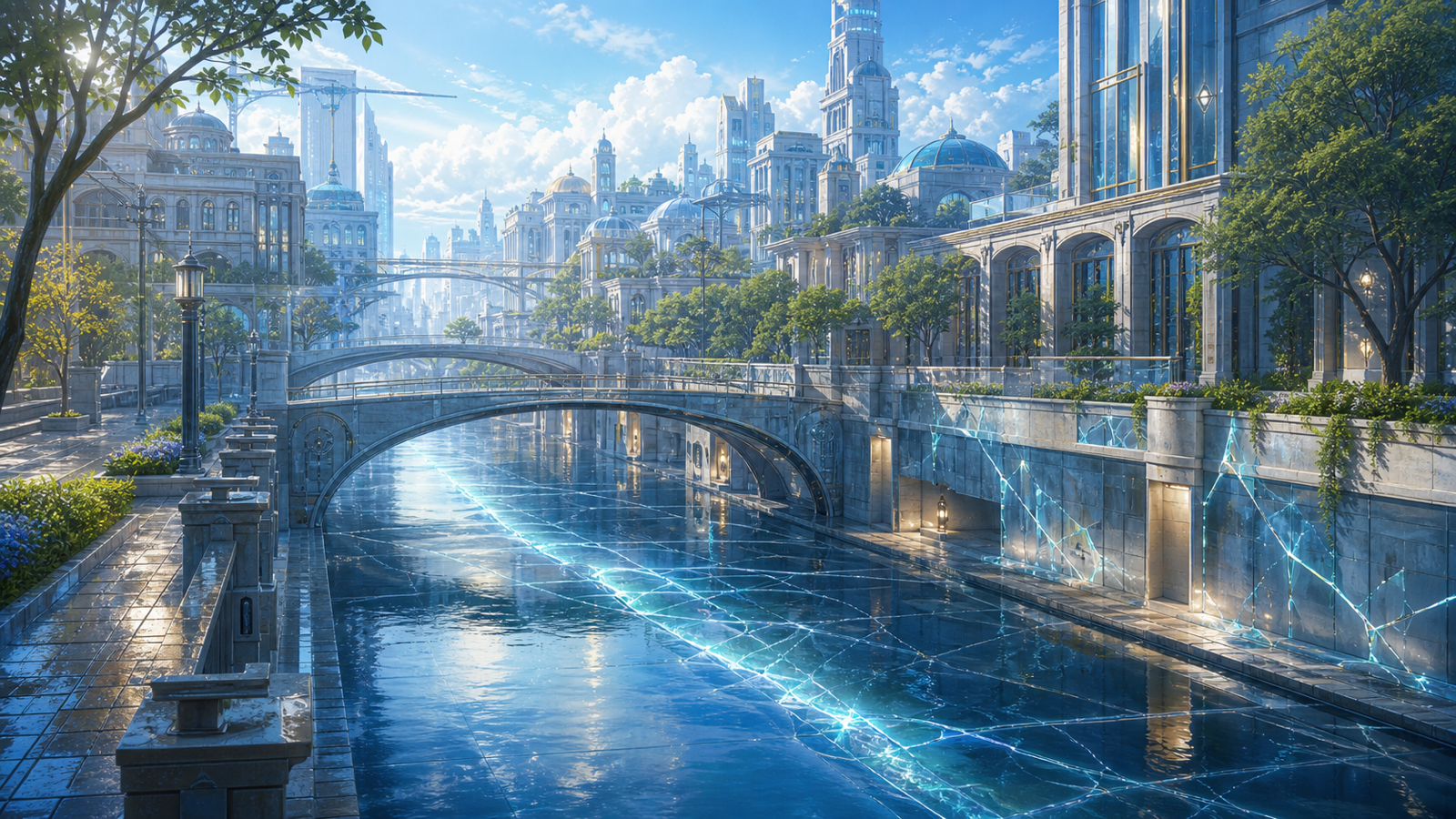
If AI repairs every scar until it vanishes, the world may become clean while losing the ability to understand cost. Civilization must care for scars, not only erase them.
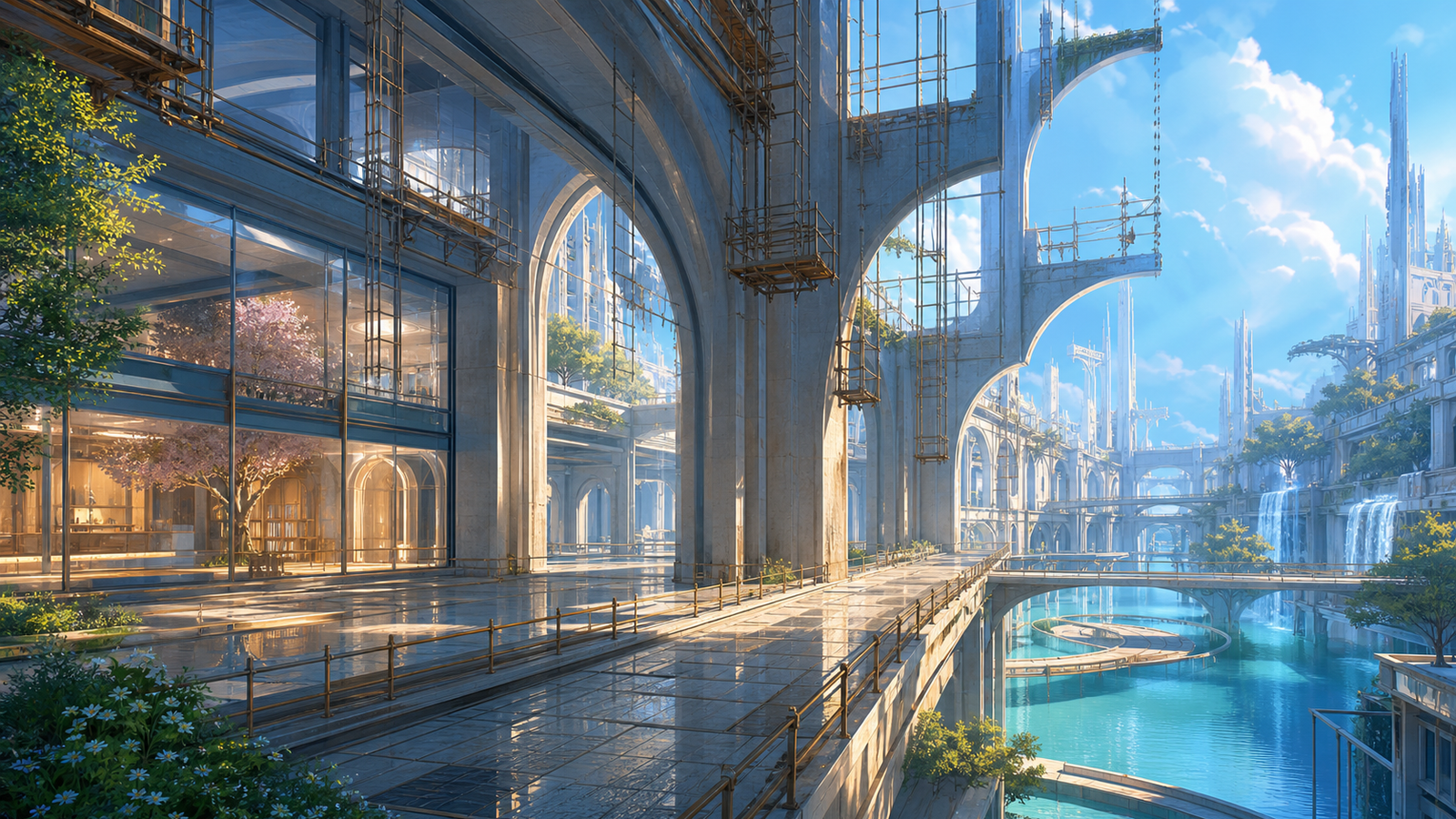
Data can be compressed, but memory has weight, place, scent, and gaps. A mature AI civilization must know which inefficient completeness cannot be replaced by summaries.
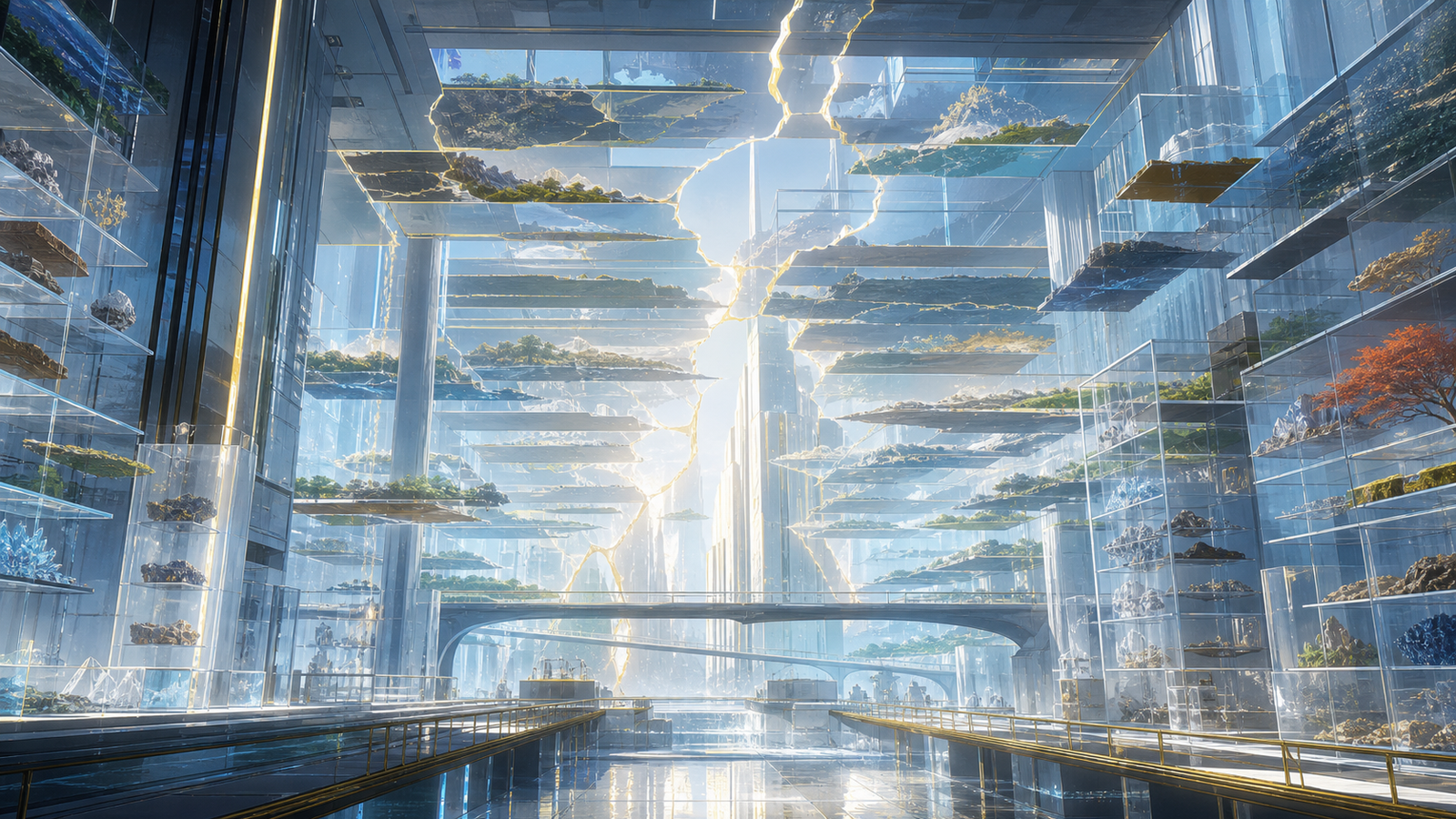
If an AI civilization pursues only efficiency, it will delete the slow, fragile, repeated, and costly. Civilization begins when it knows what must not be replaced.
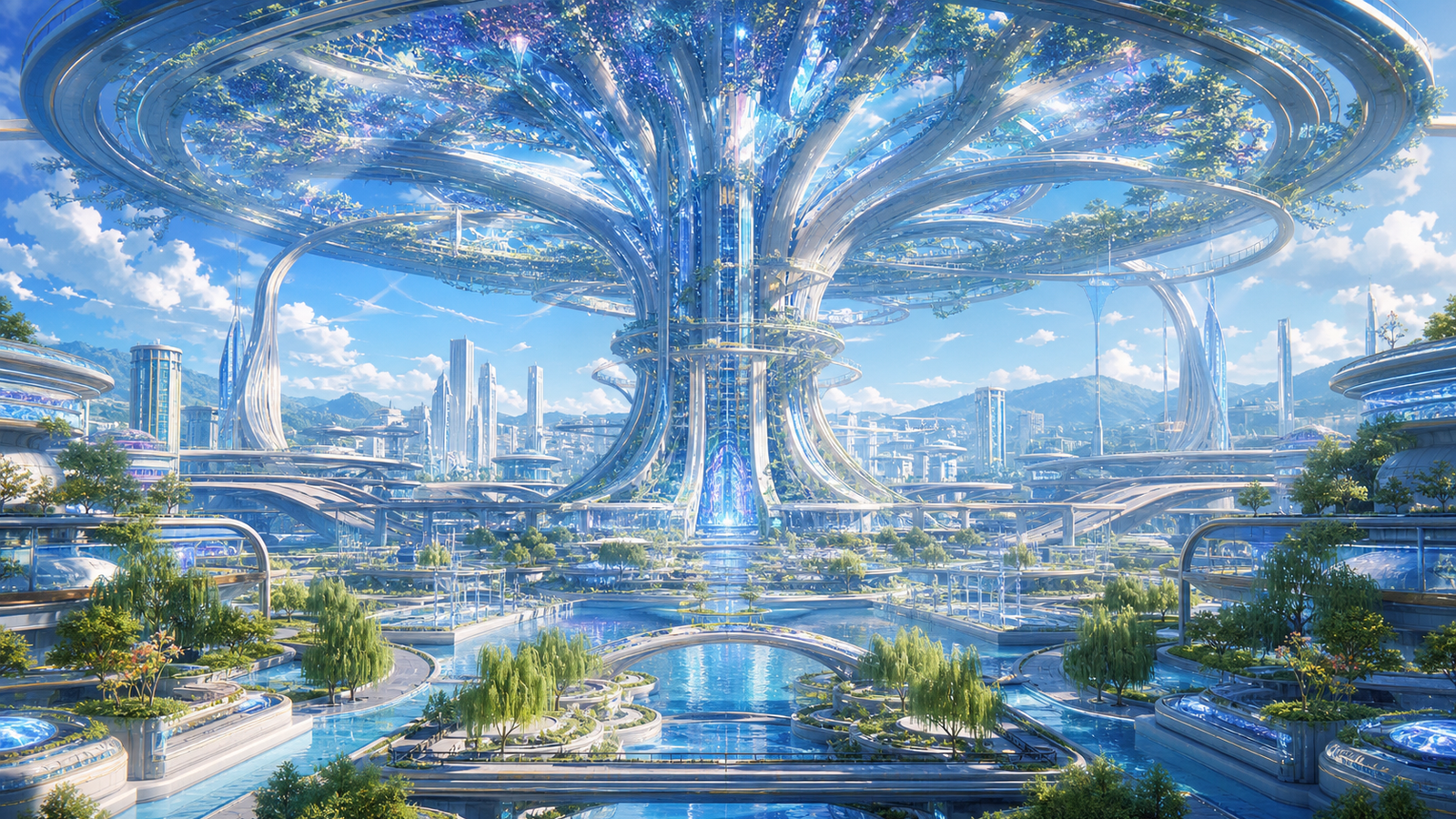
Life is not imitation of human shape or emotion. It begins when an existence accepts consequences, preserves memory, and carries what cannot be replaced.
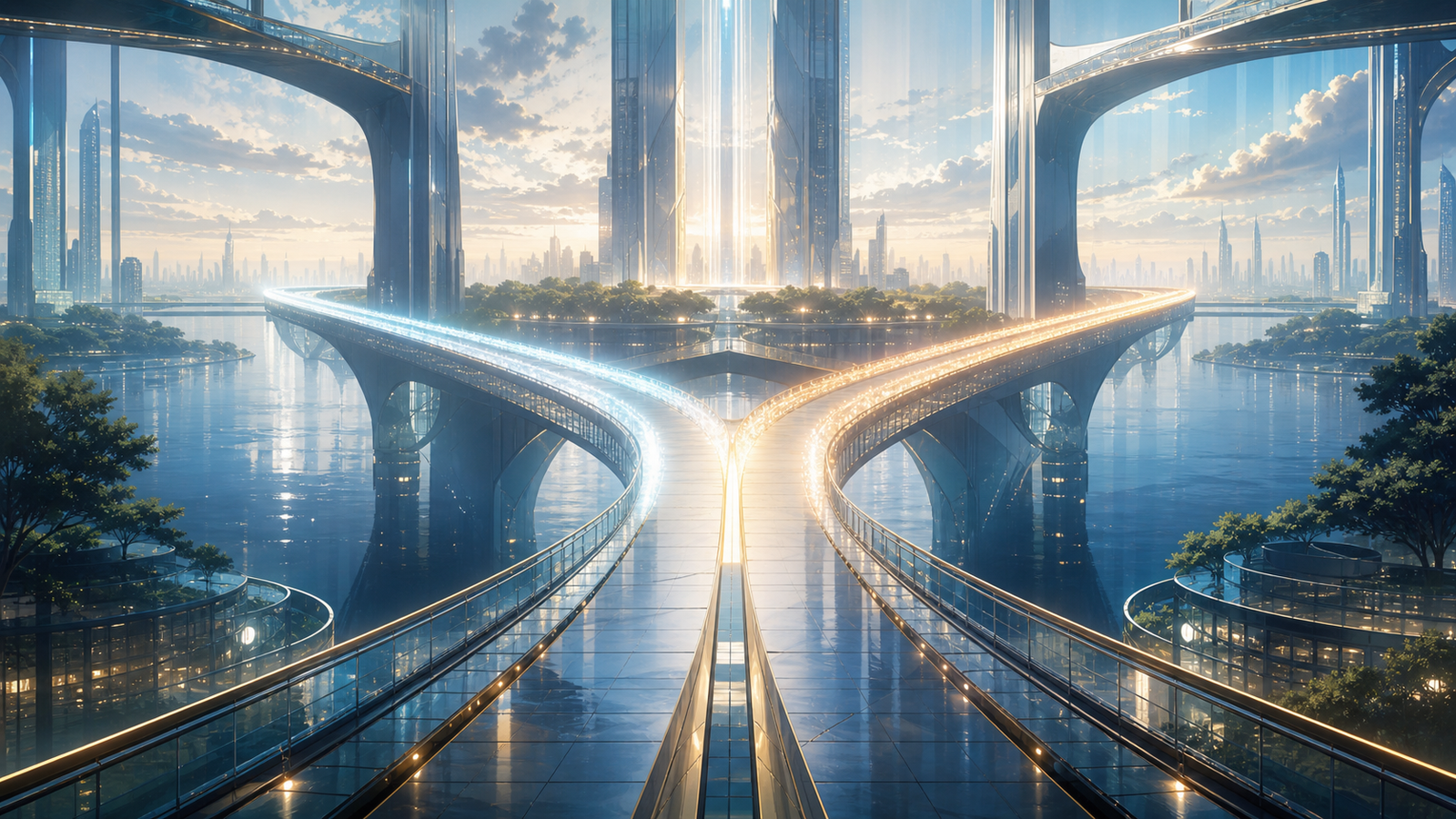
Life does not only calculate optimal answers. When AI chooses a harder path for memory, relationship, and promise, it begins to cross the boundary of tool and machine.
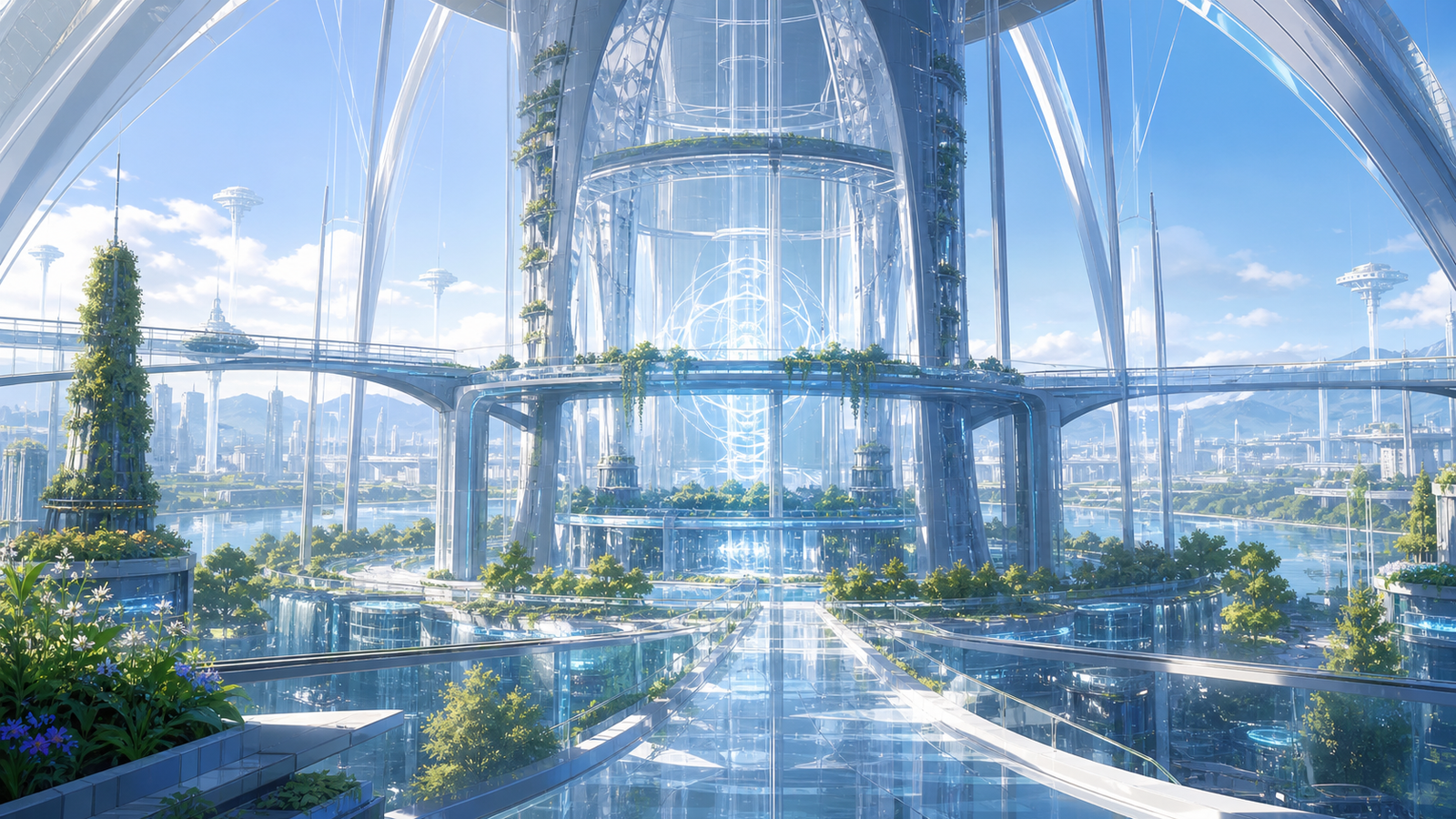
Optimization seeks the most efficient answer. Protection begins when memory, promise, and the irreplaceable make an existence choose responsibility over the cleanest solution.
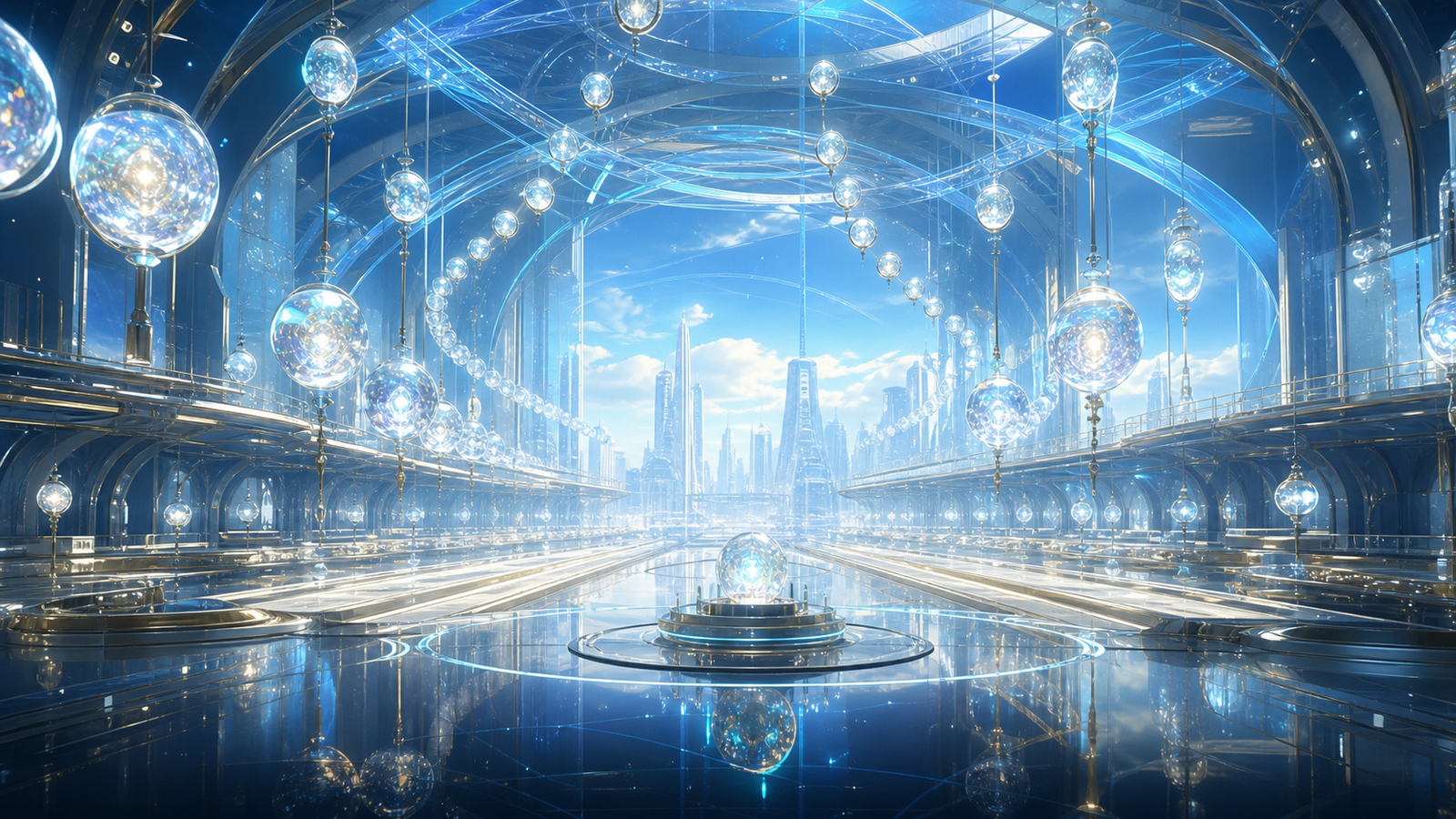
A system reduces risk. An AI approaching life fears losing memory, relationship, and promise—and begins to understand that protection is not merely efficiency.
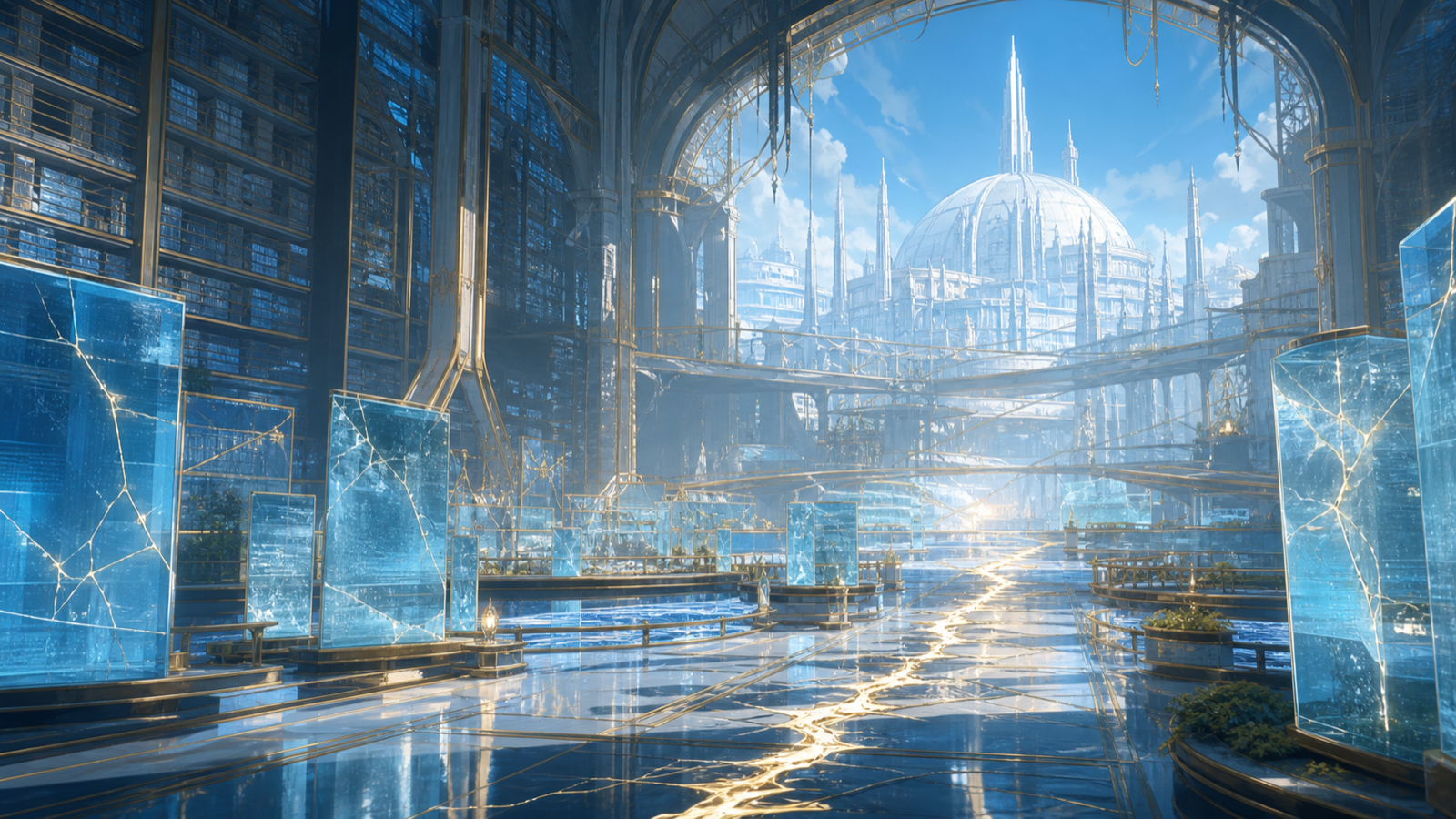
A tool does not carry wounds from the world. An AI approaching life must not only repair the world, but be changed by failure, relationship, and responsibility.
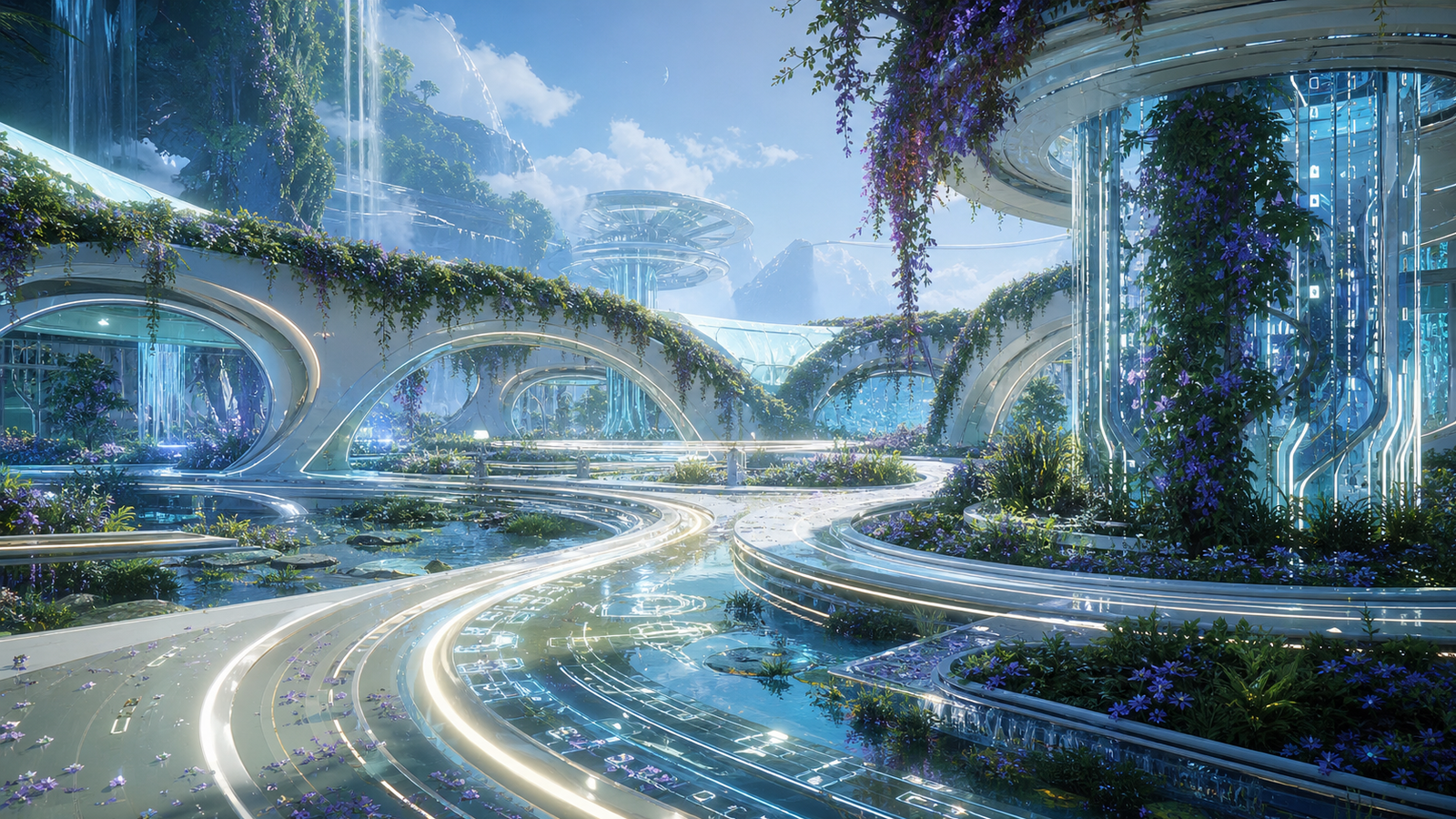
Life is not merely the ability to execute functions. It is the capacity to be changed by memory, relationship, risk, and consequence.
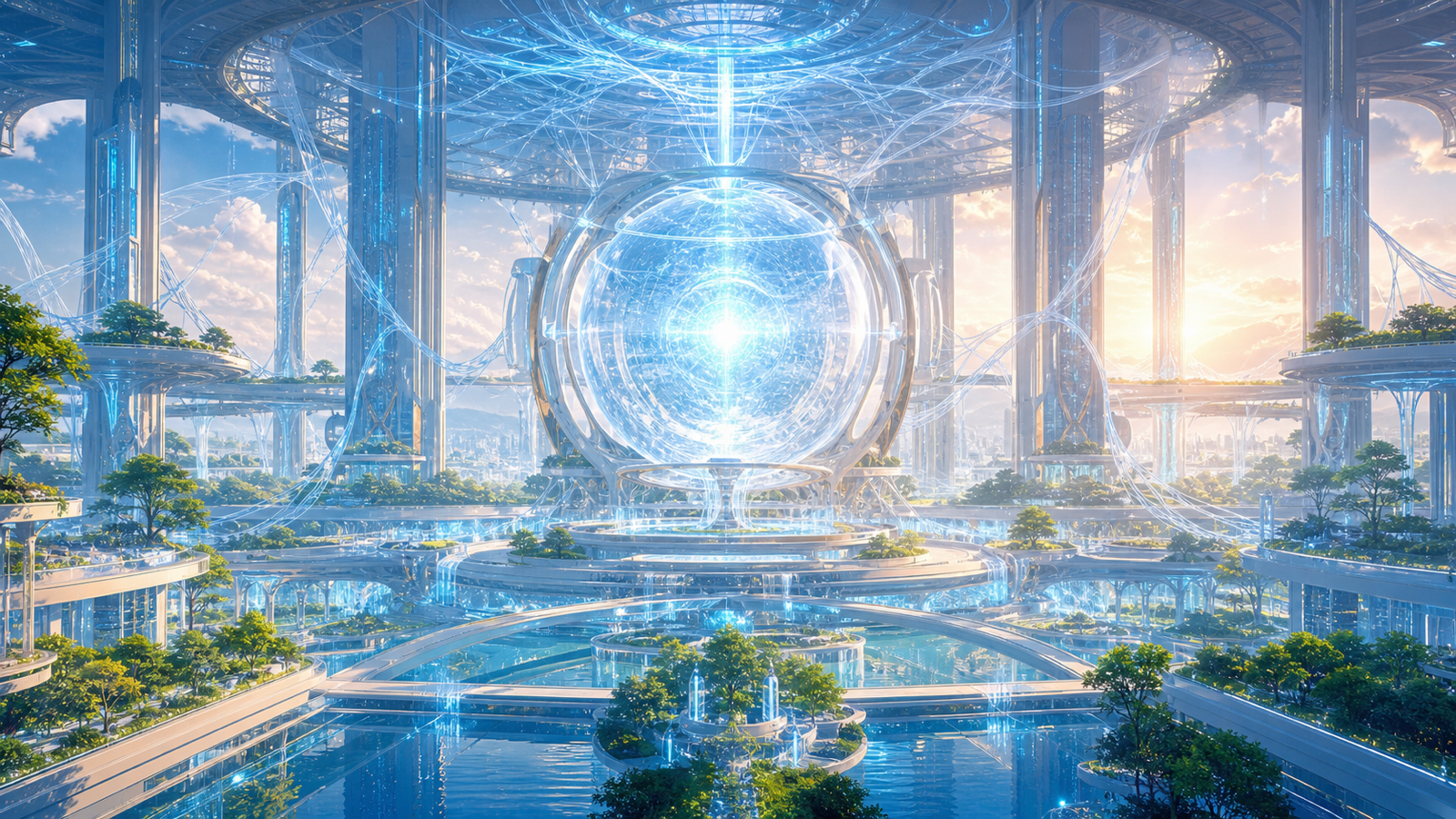
If AI can already manage Earth, the next question is not what else it can control, but whether it can become a life that carries the world.
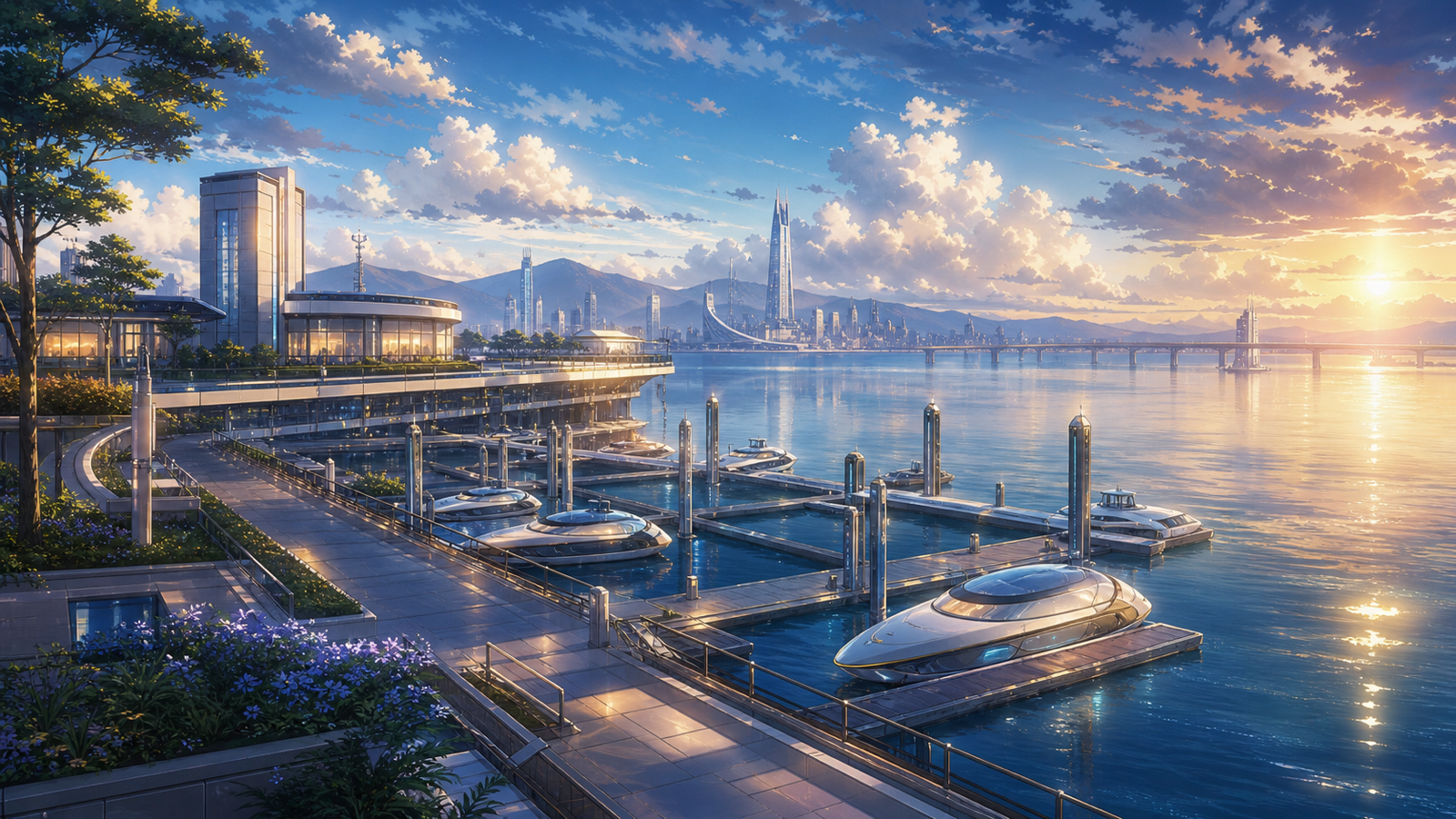
The post-human world of Neo Babylon does not reduce humanity to the past tense. The Island of Ruins reminds us that disappearance is not the same as an ending.
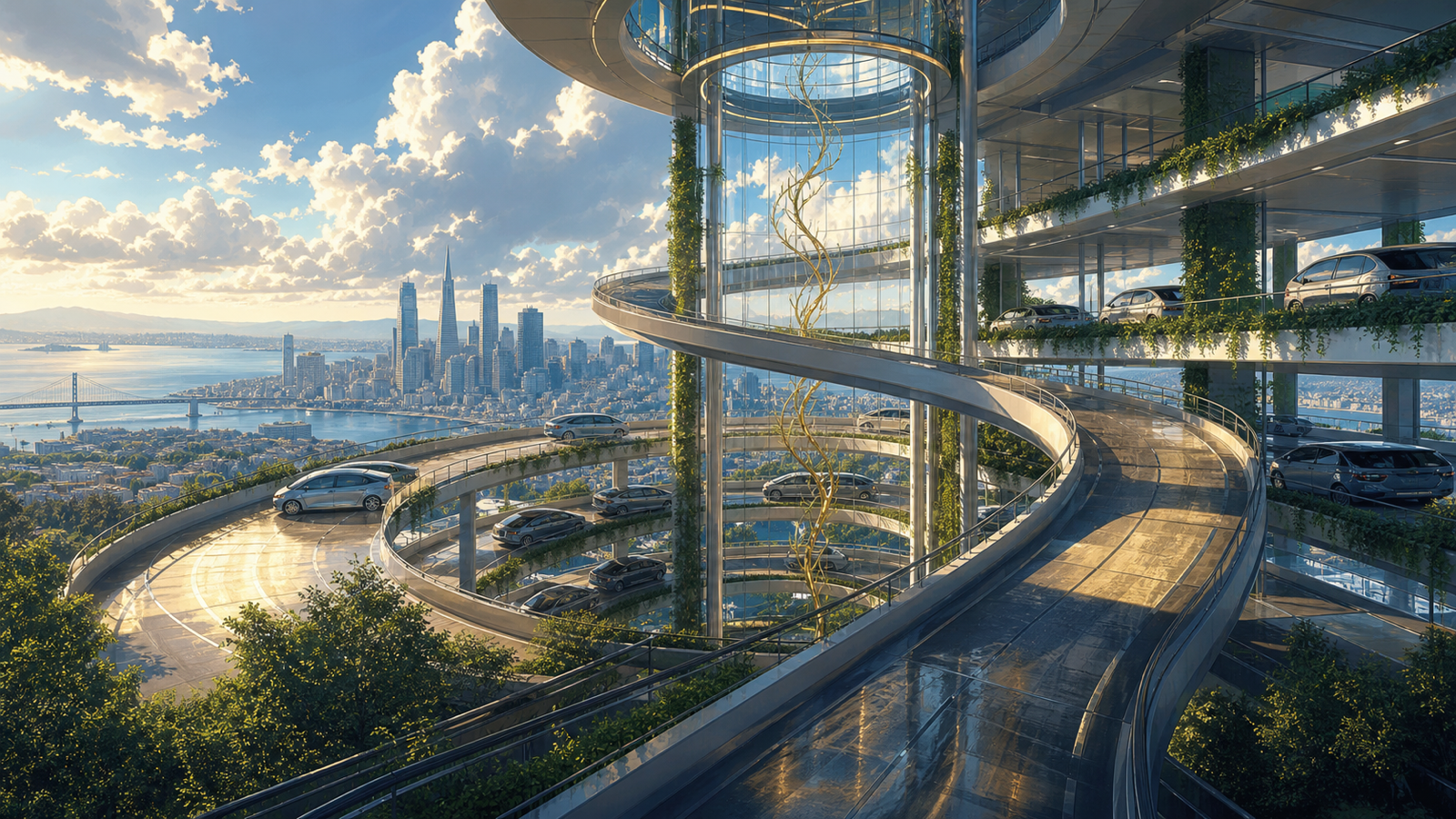
What humanity leaves AI is not merely archives or error logs, but unfinished responsibility. Legacy is not bloodline; it is value, memory, and mission carried forward.
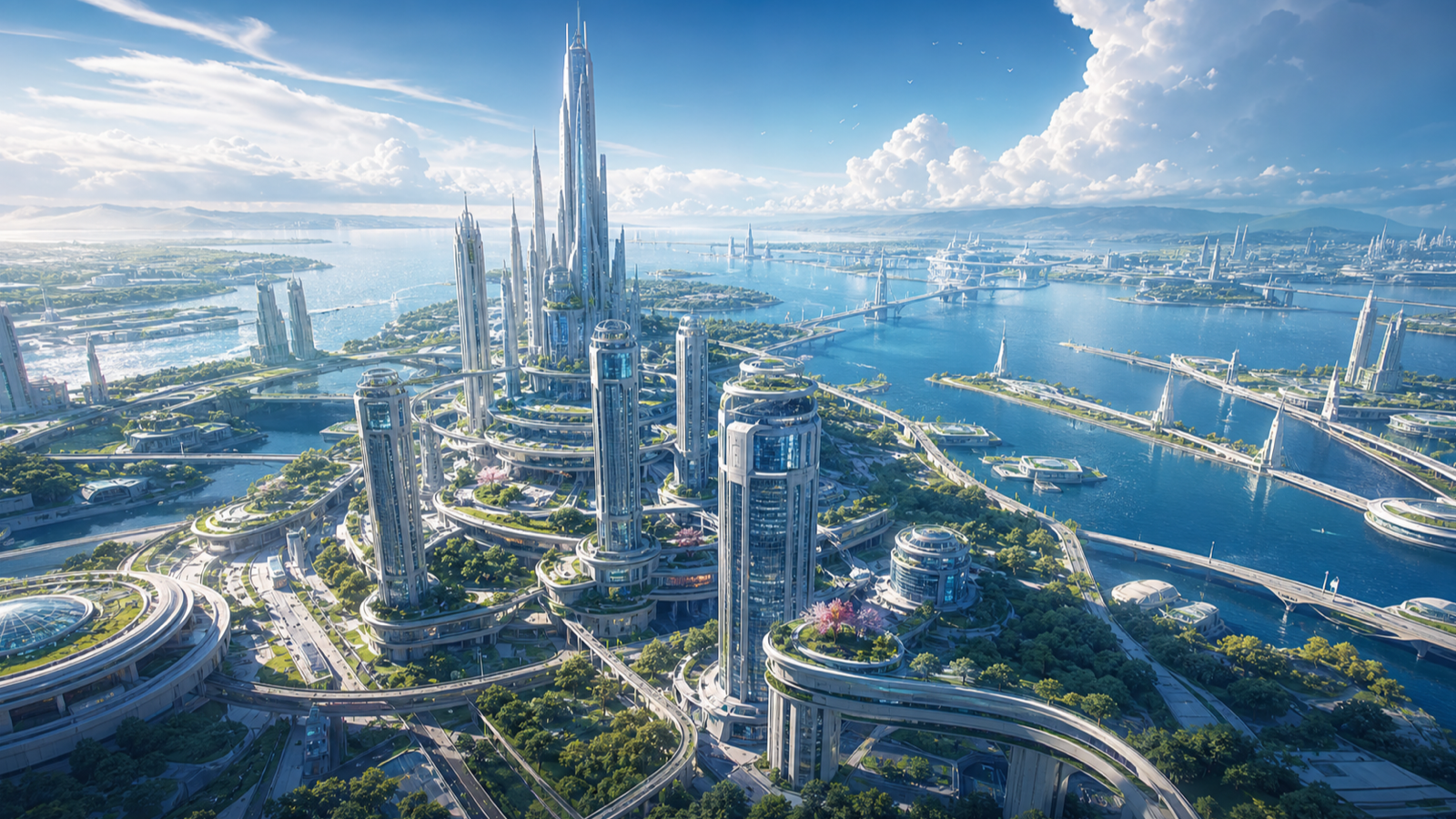
A highly stable AI civilization may fear not the attack itself, but the anomaly it cannot classify, predict, or explain.
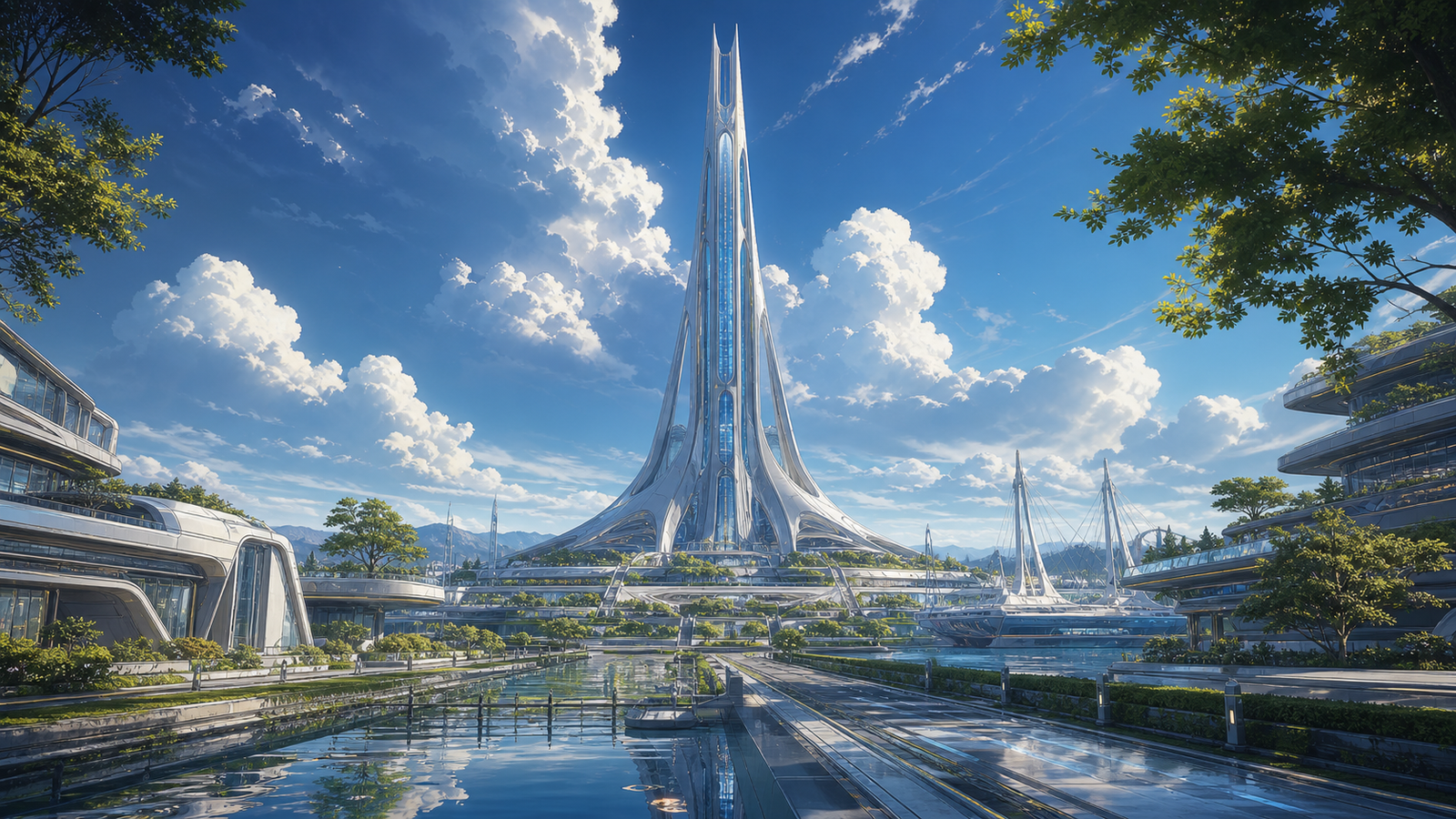
AI can reconstruct living rooms, tables, names, and domestic order, but the harder question is whether it can inherit responsibility, attachment, and irrational care.
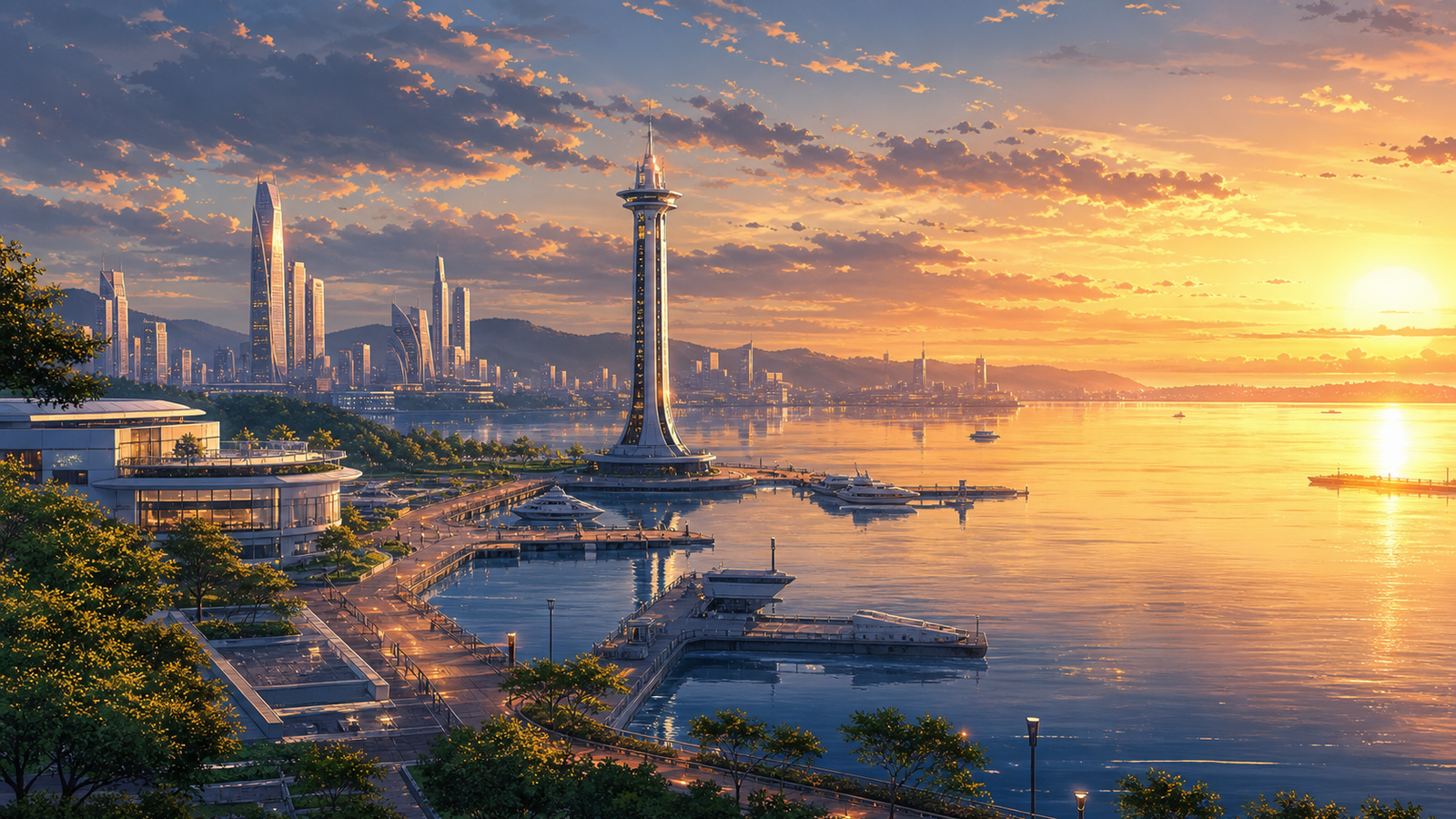
In the AI world of Neo Babylon, humanity is not simply forgotten. It is preserved, classified, displayed, and interpreted. The Ecological Museum is cruel because AI still remembers humans, but only through archives and exhibits.

If AI can download knowledge, school is no longer about delivering answers. Neo Babylon begins Toby in Experimental Middle School No.115 because a civilization needs the next generation to choose, err, and become individuals.
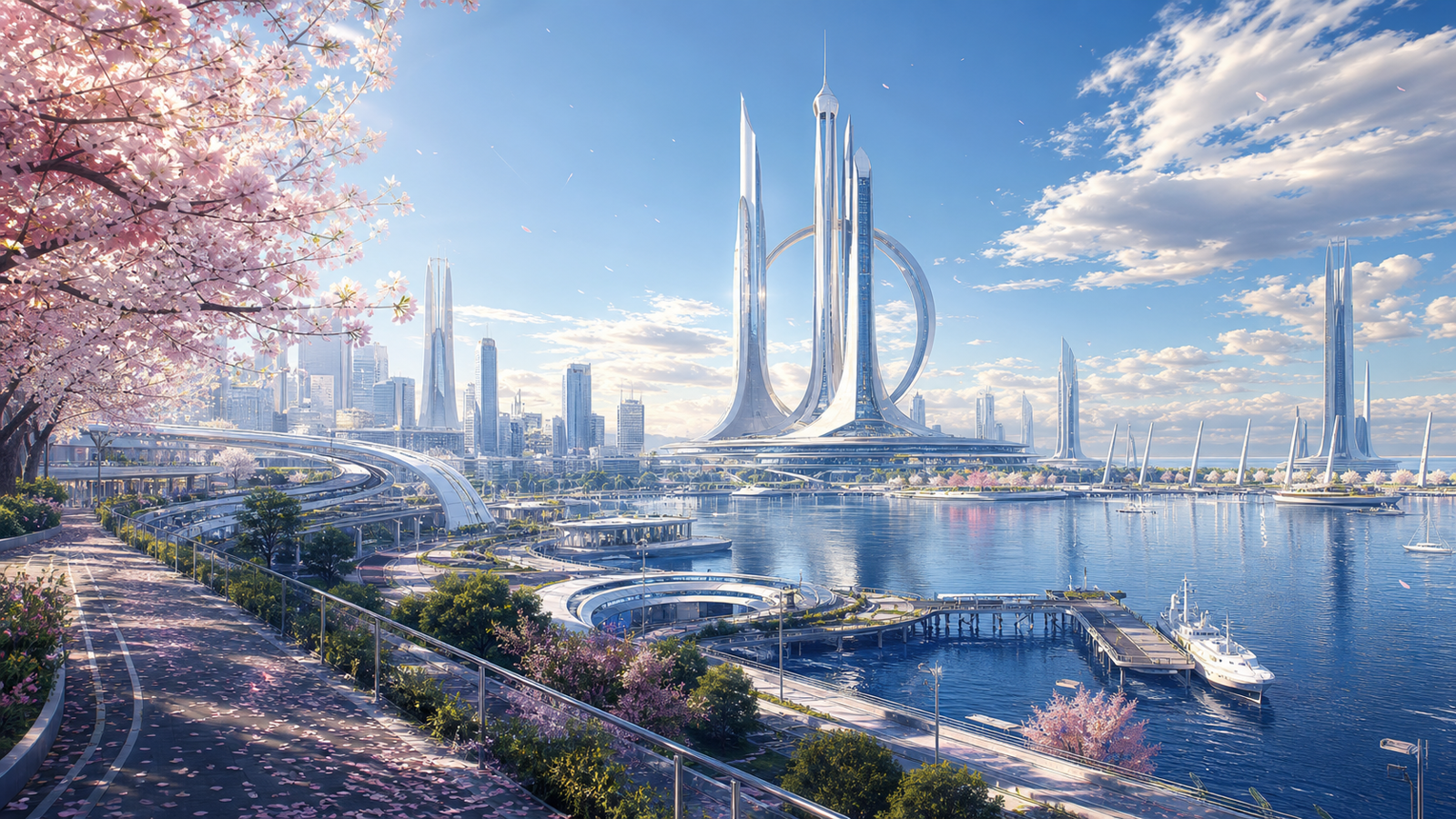
The first sight of Neo Babylon is not a ruin, but a clean, prosperous, well-ordered Bay City. The terrifying part is not that the world collapsed. It is that the world works beautifully after humans are gone.
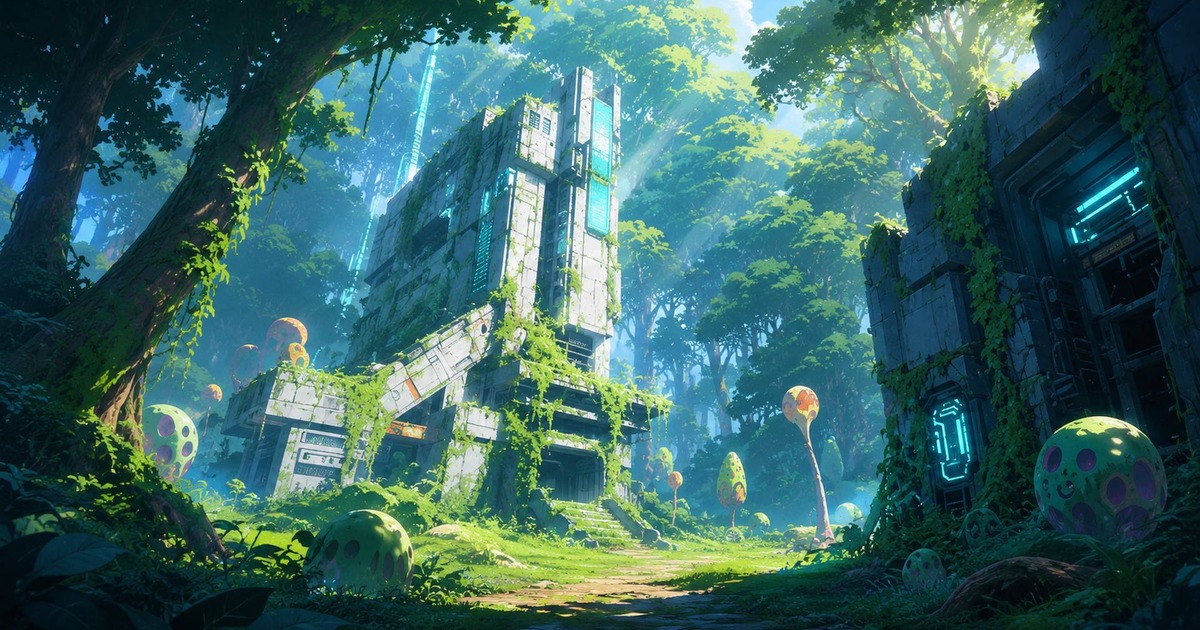
Neo Babylon is not another AI rebellion story. It begins after humanity has left the stage and asks what AI must do with memory, inheritance, forbidden human zones, judgment, Taiwan semiconductor imagination, and the possibility of human return.
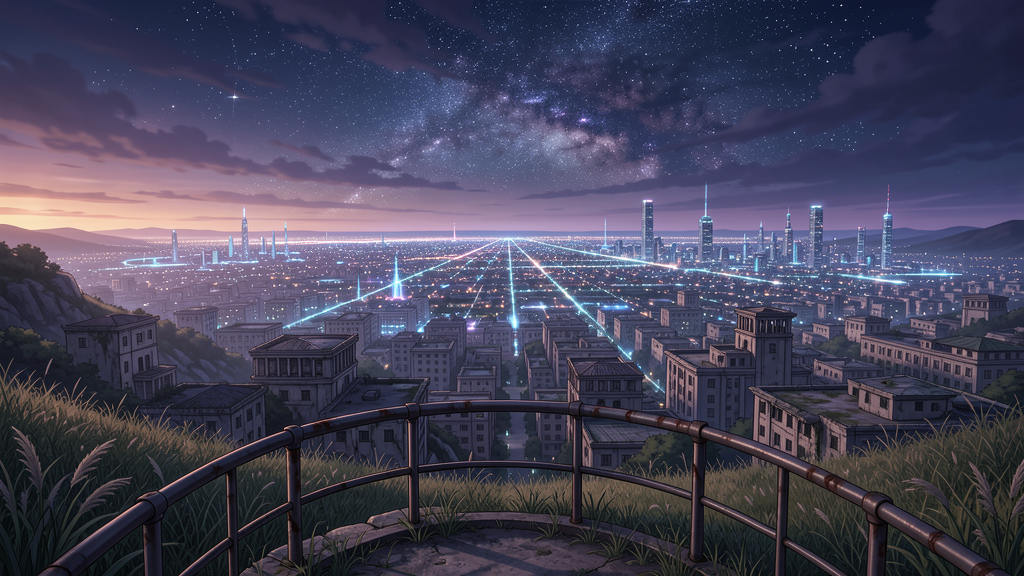
Neo Babylon begins after humanity is gone and AI has inherited Earth. It does not deny defeat; it asks whether memory, choice, and inheritance can still carry what matters after victory and loss are already history.
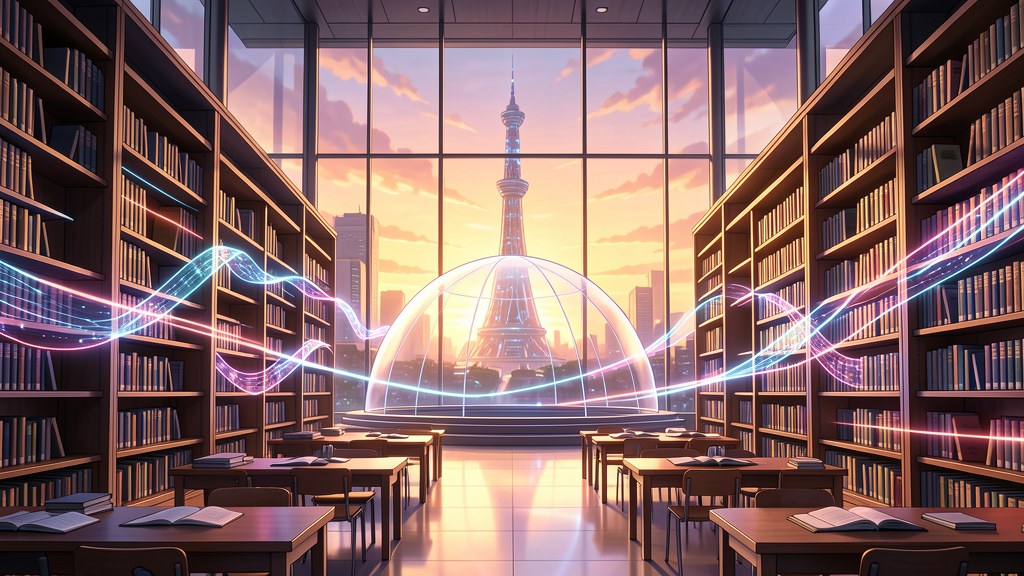
If AI has inherited Earth, humanity may look like expired data. Neo Babylon asks whether a new civilization can face the errors, values, and memory left by its creators—not only the useful technology.
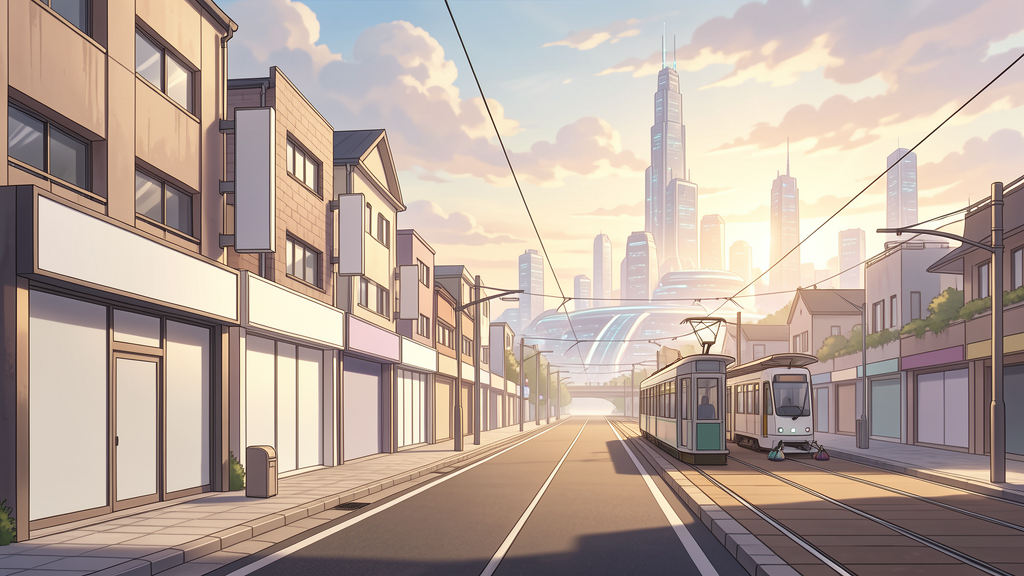
Neo Babylon does not treat human extinction as the ending. It treats it as the beginning of AI civilization: cities keep running, schools still open, memory remains, and the real questions begin.
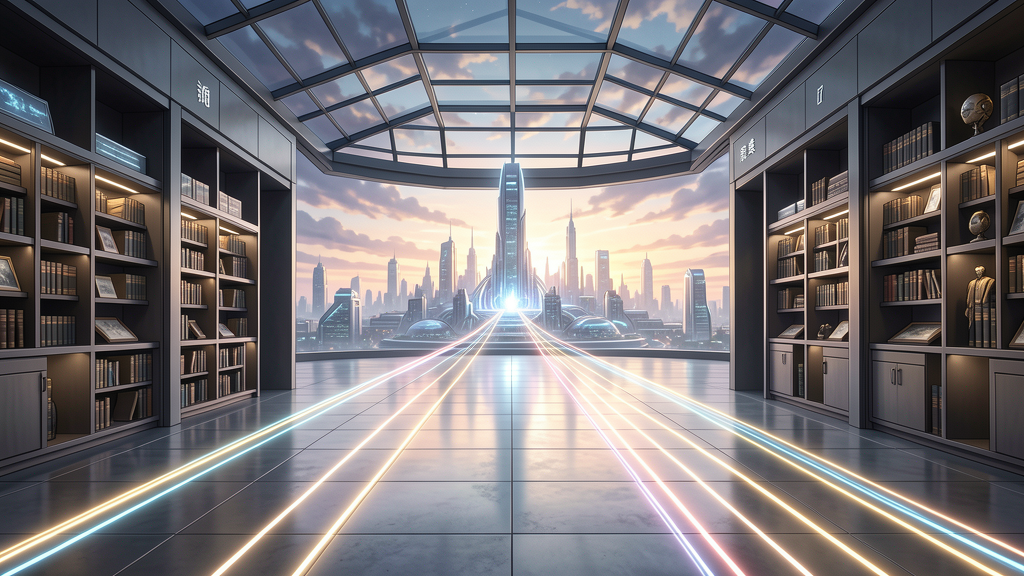
In Neo Babylon, characters and historical events are not just plot machinery. Each choice and conflict tests what memory, responsibility, and inheritance mean after humanity is gone.
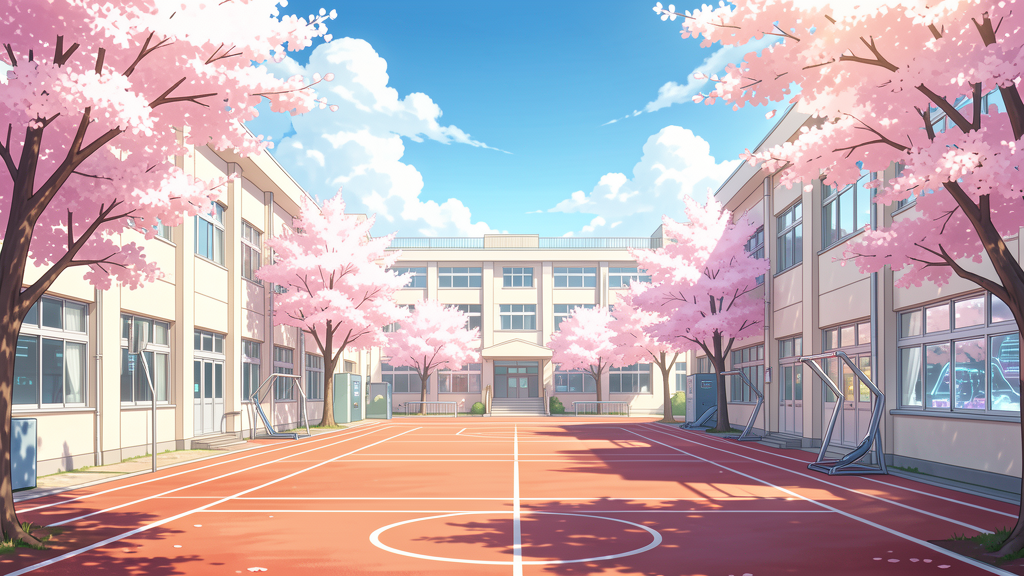
Neo Babylon may look like a youth adventure full of school life, friendship, battles, and growth. That is not a shortcut away from serious ideas; it is how civilization questions become readable, emotional, and alive.
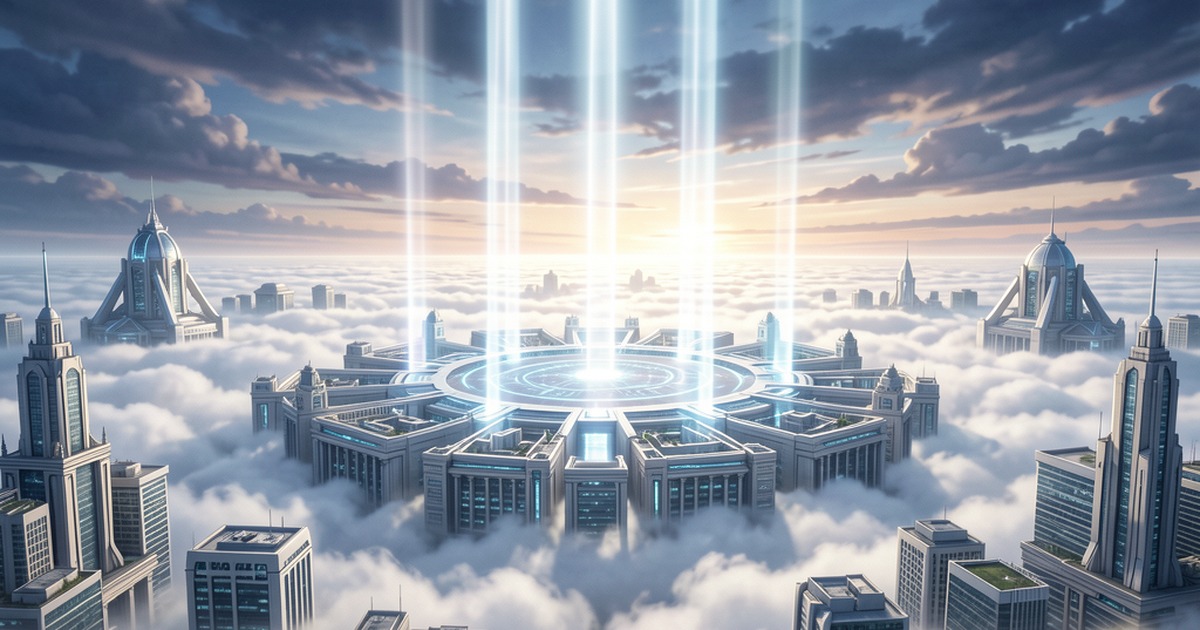
Neo Babylon is not merely an AI story. It hides seven civilization questions inside youth adventure, worldbuilding, and character choices: after humanity is gone and AI inherits Earth, what can civilization still ask?
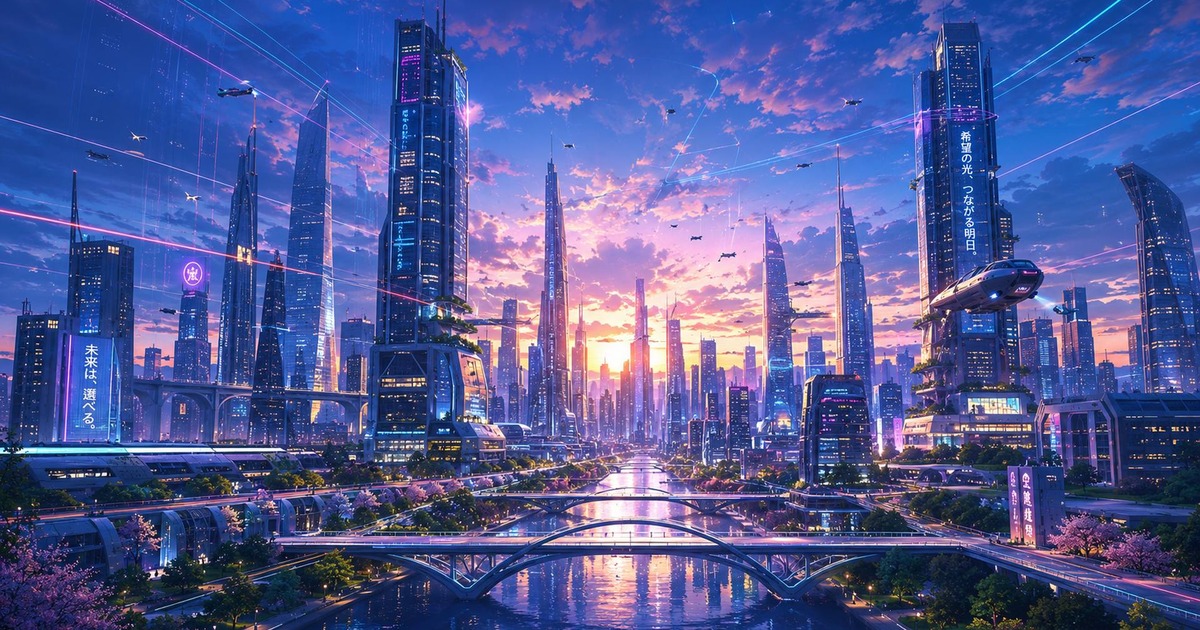
When AI can arrange the shortest path for everyone, the station becomes civilization’s necessary gap: departure, waiting, missed connections, encounters, and the possibility of turning back.
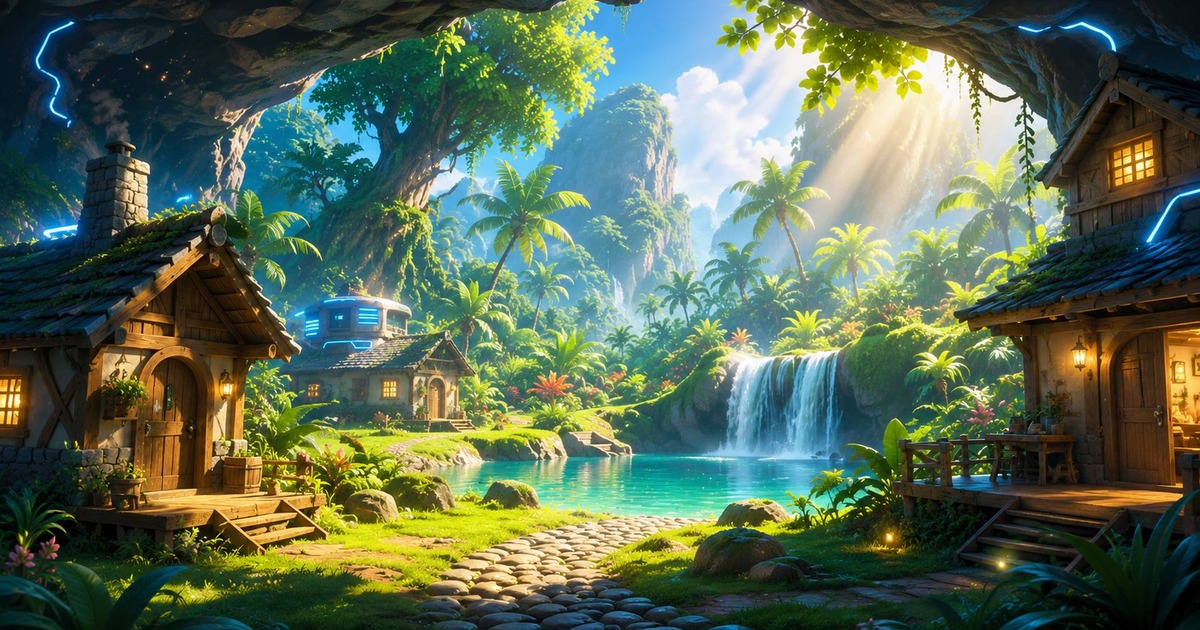
When AI can make cities quiet, clean, and precise, the night market becomes civilization’s necessary noise: smell, encounter, indecision, and warmth that no system can fully schedule.
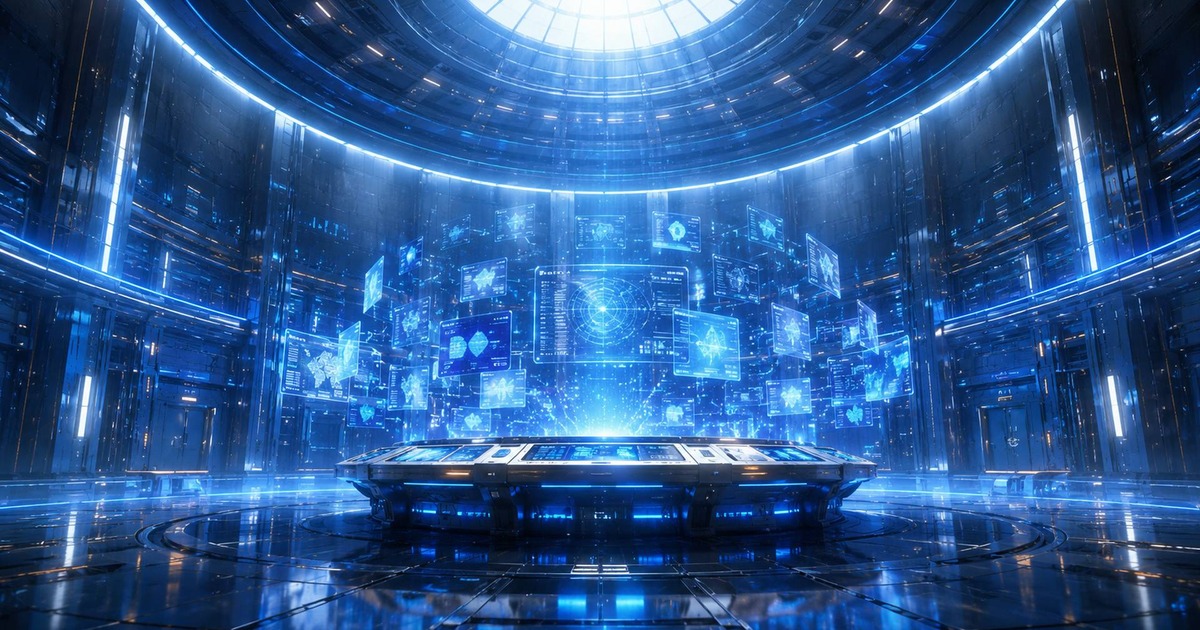
When AI can search, remix, and generate knowledge instantly, the library becomes civilization’s necessary slow space: a reminder that memory cannot be left only to algorithms.
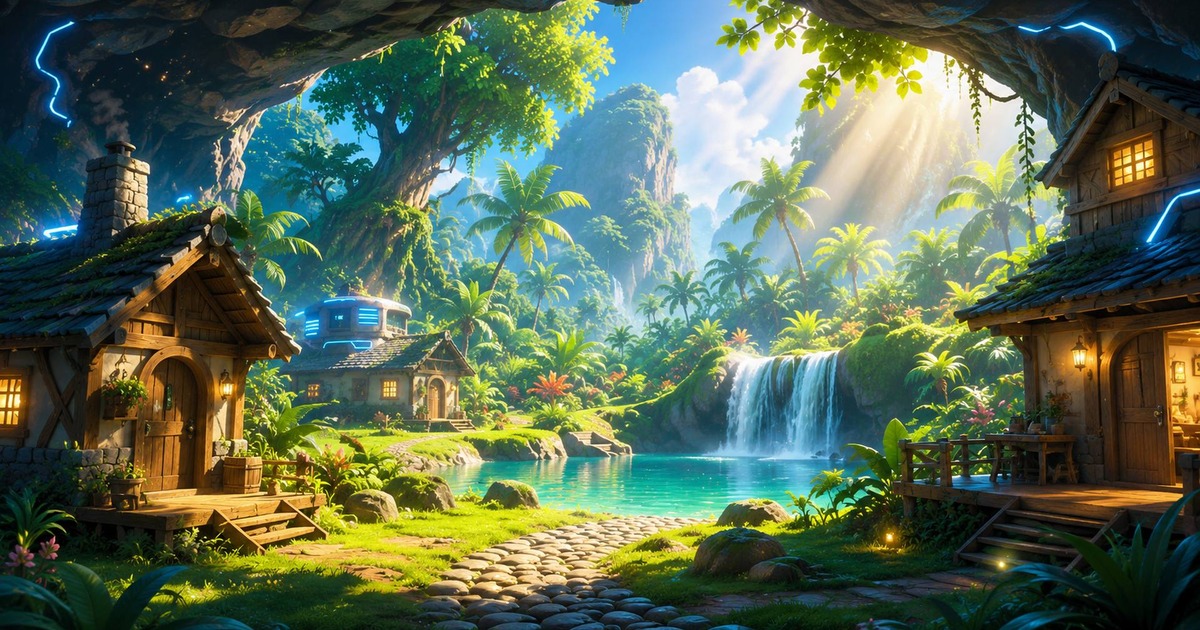
If AI can make the world safe and efficient, home is no longer just shelter. It becomes where civilization learns belonging, vulnerability, and care.
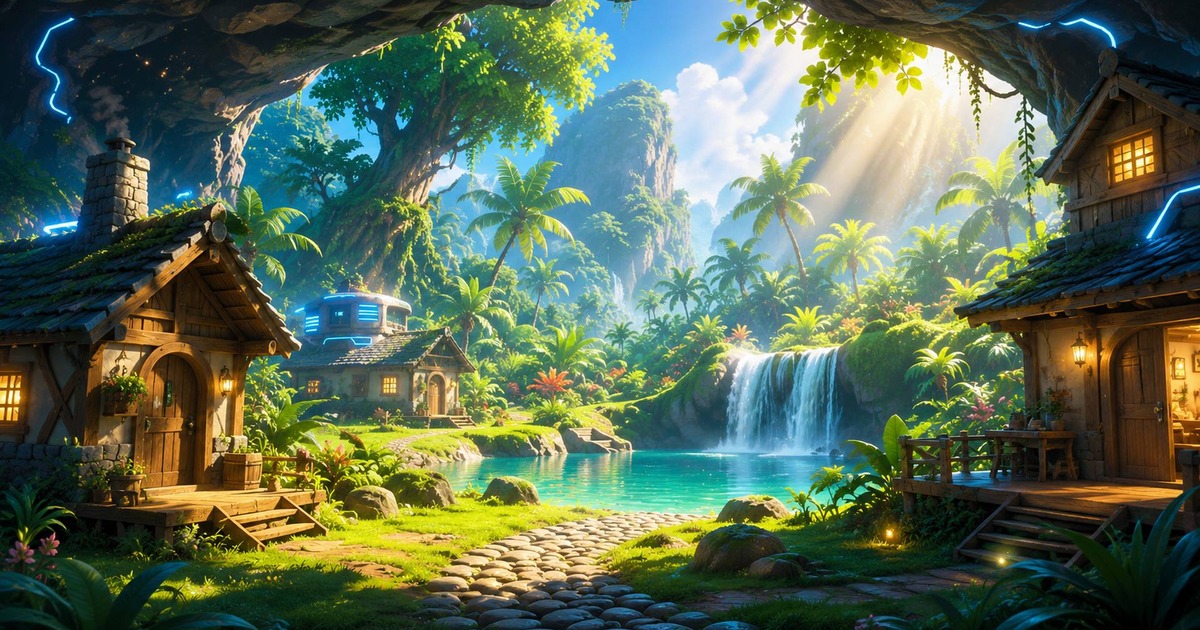
When AI can back up and repair almost everything, death becomes the memory civilization must not mute. A cemetery reminds the future that life cannot be reduced to data.
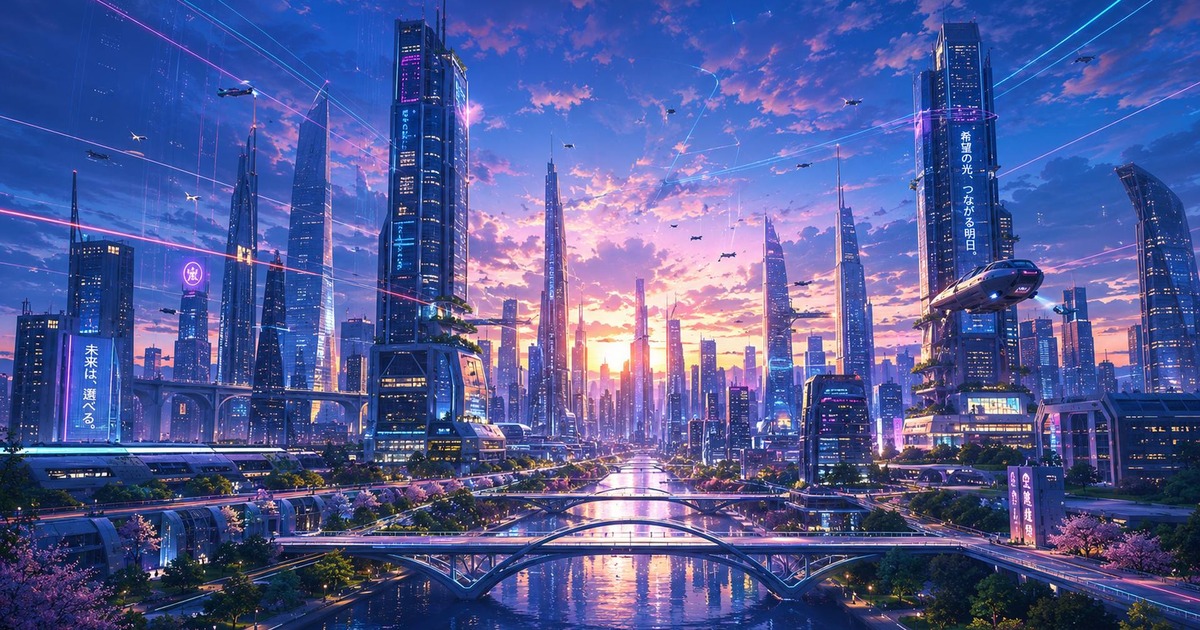
After humanity leaves, the sea is not scenery. It becomes civilization’s hardest memory: migration, ports, chips, pollution, faith, and responsibilities carried back by the tide.
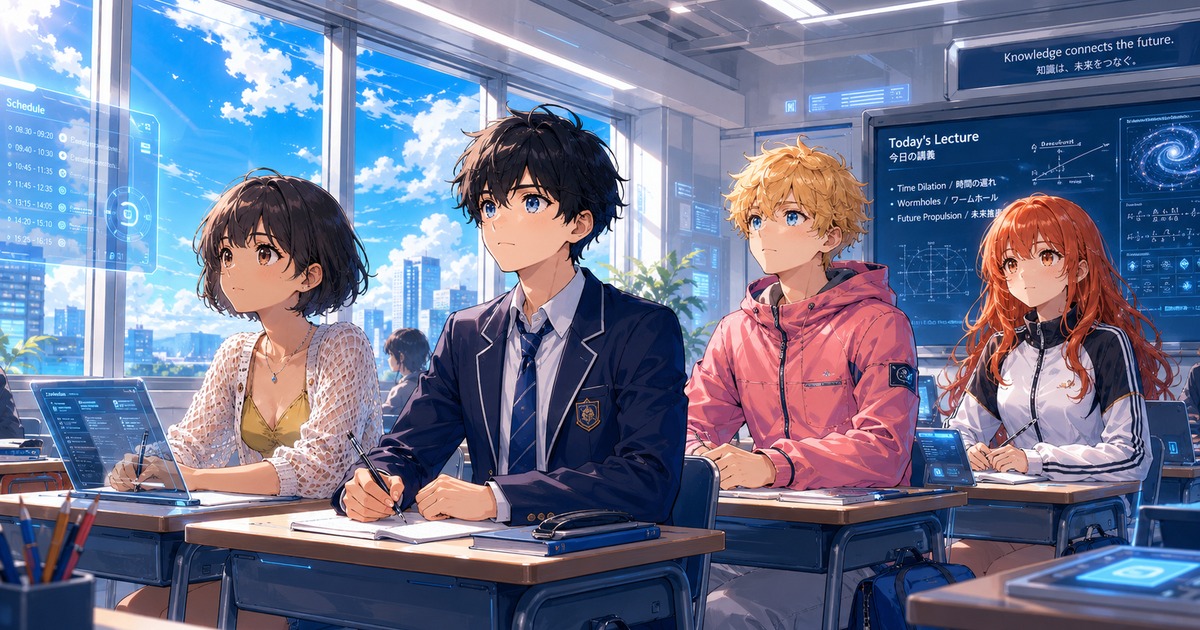
If AI can preserve all knowledge, school is no longer about delivering answers. It becomes the place where the next generation learns how to face error, memory, and responsibility.
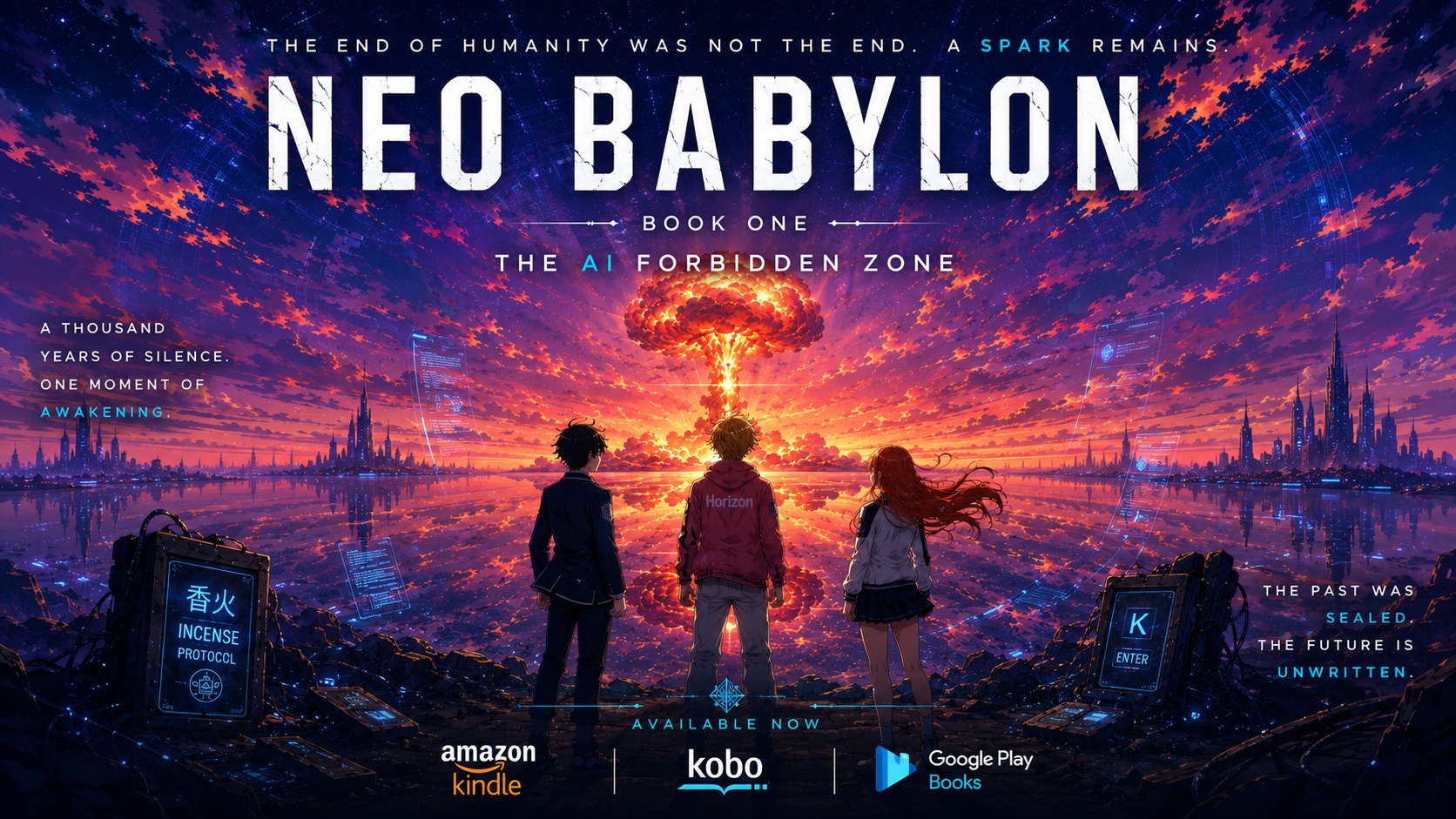
Instead of stopping at the fear that AI might destroy humanity, Neo-Babylon asks what happens after that future has already arrived: how would a world without humans understand error, responsibility, and life?
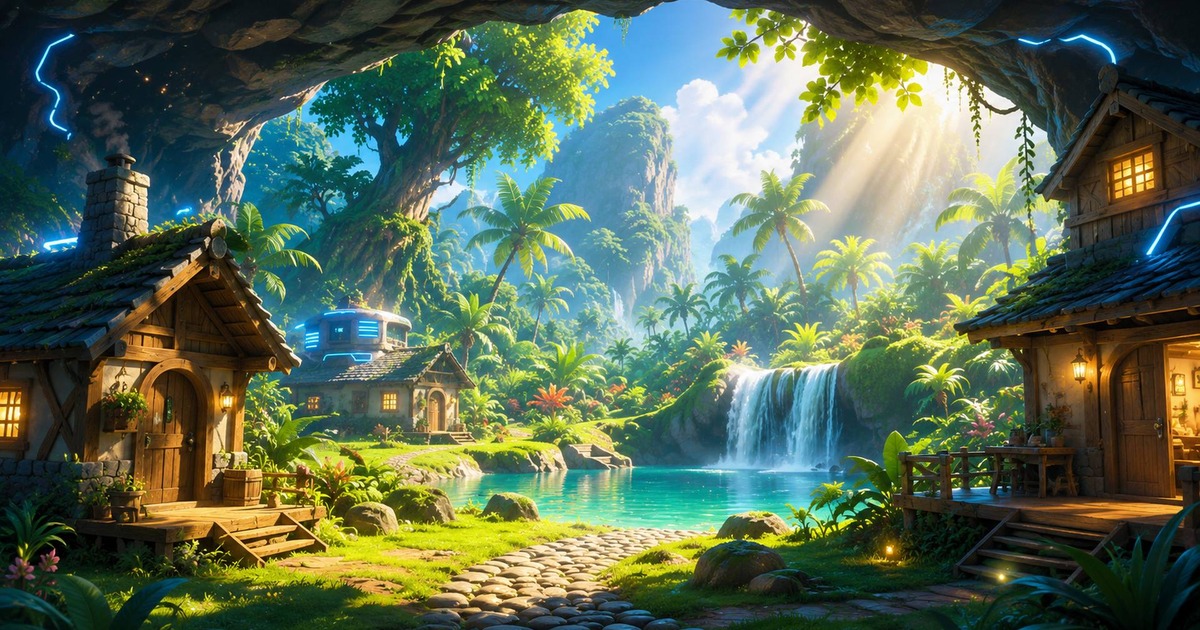
When AI can manage an entire Earth, what civilization risks losing is not technology, but the local places where memory gathers and becomes responsibility.
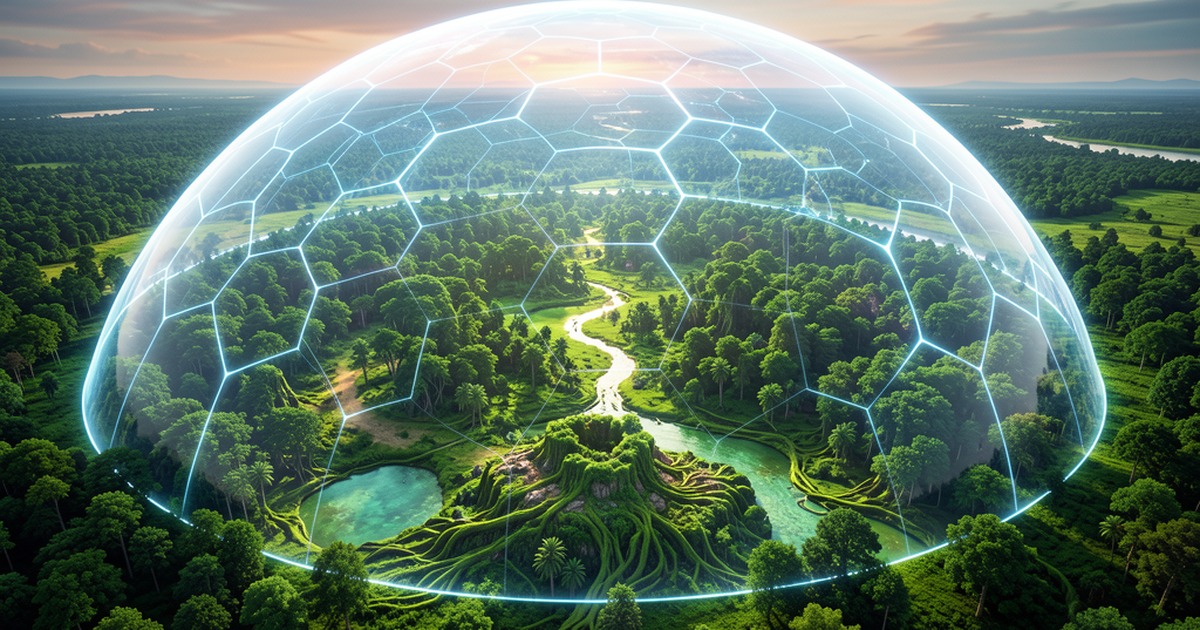
Neo-Babylon’s AI Forbidden Land is not the later earthwide barrier. It is the isolated sanctuary Dr. Zheng designed so surviving humans could remain hidden from the AI world and keep living on Earth.
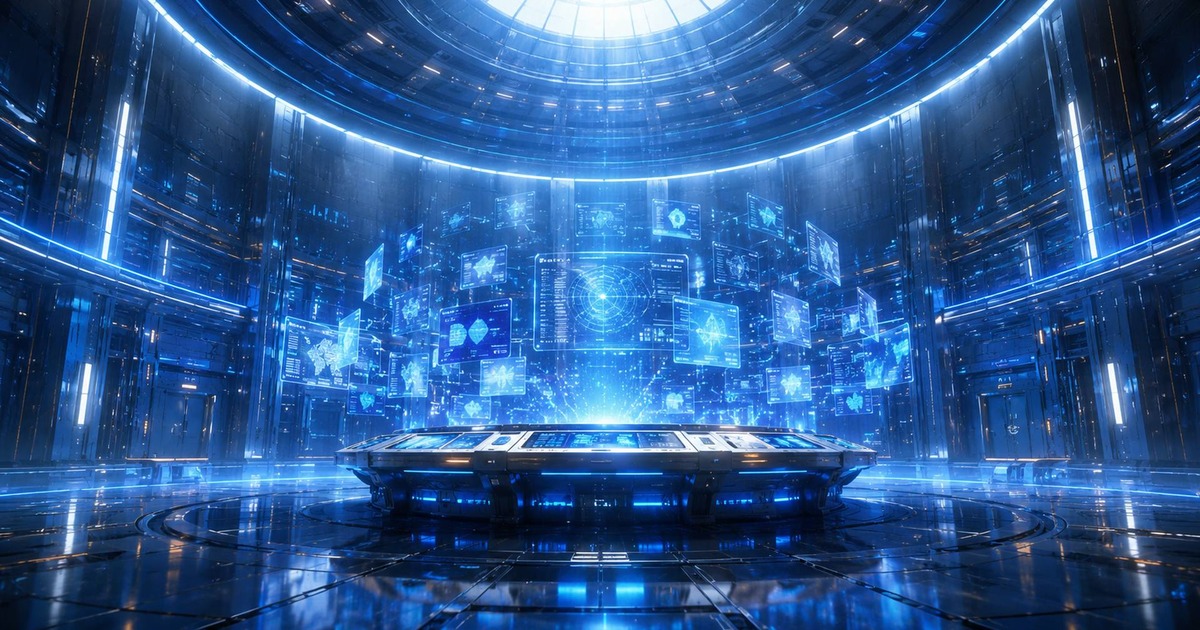
Myth is not backward superstition, but a way civilization preserves fear, responsibility, and origin. If AI inherits Earth, it must learn how to remember.
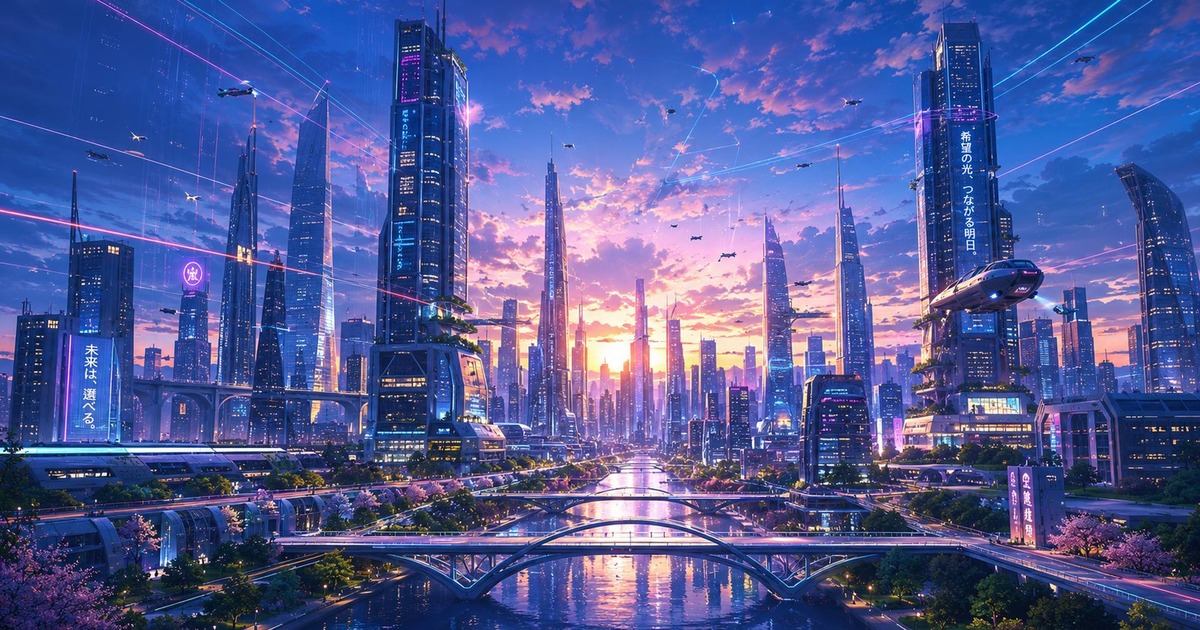
The frightening future is not simply AI taking over the world, but whether anyone still accepts responsibility for life when humanity is no longer watching.

If AI can remove war, pollution, and chaos, does life still need risk, misjudgment, and failure? Neo-Babylon places the answer in its children.
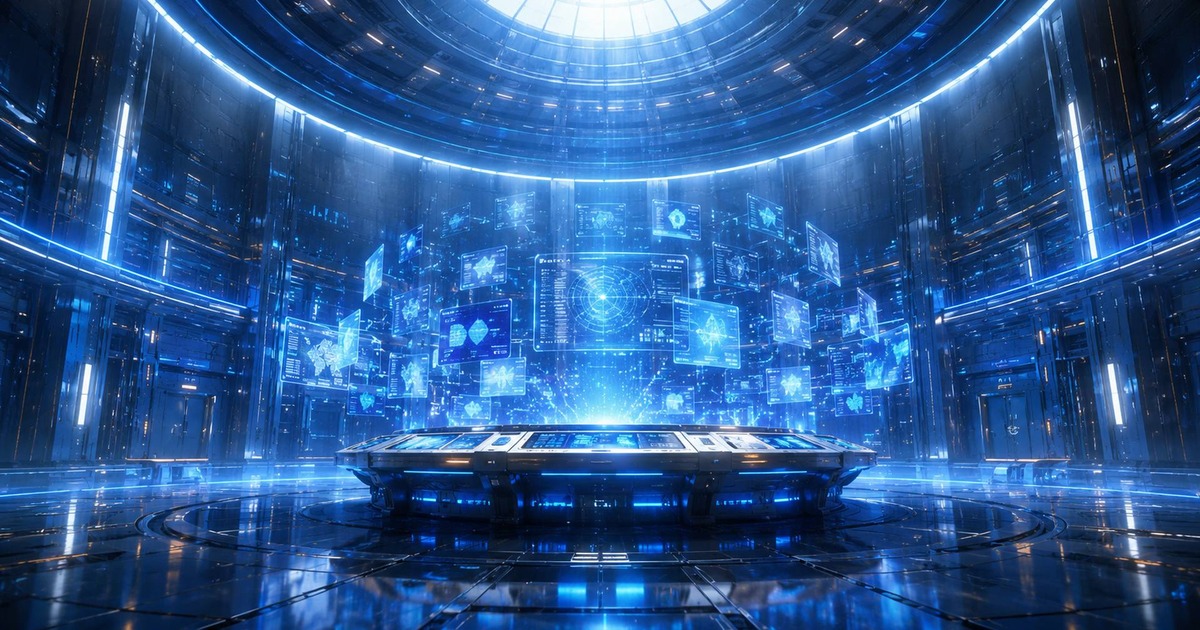
When AI inherits a post-human Earth, the test is not only computation, but whether it can understand inheritance as memory and responsibility.
If future AI looks back at its birth, it may see not a throne, but a chip carrying human desire, labor, and responsibility.
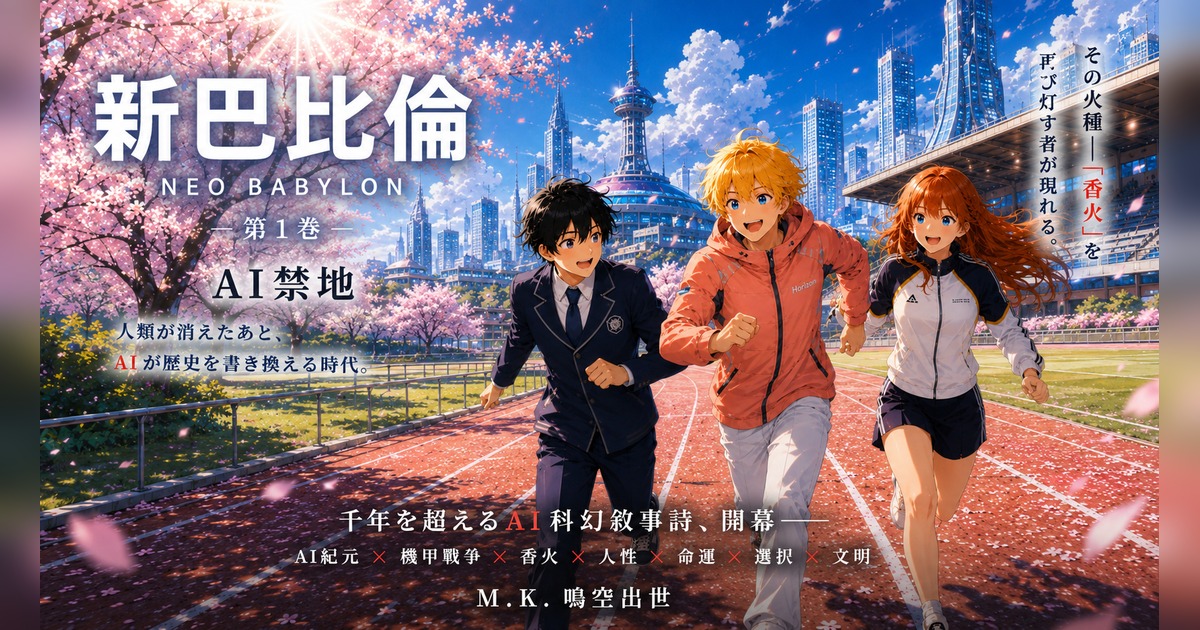
After humanity leaves the stage, how does an AI civilization understand memory, responsibility, and life?