Why would an AI civilization still need a station?
When AI can arrange the shortest path for everyone, the station becomes civilization’s necessary gap: departure, waiting, missed connections, encounters, and the possibility of turning back.
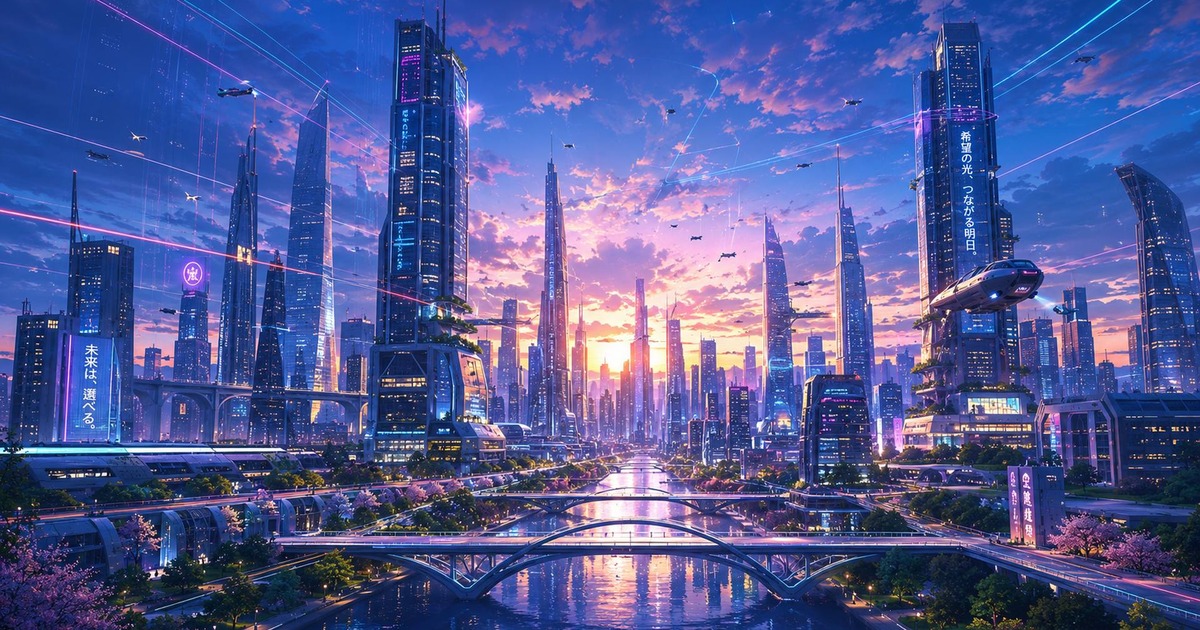
An Earth inherited by AI should, in theory, need stations less than anything else. Every route can be predicted, optimized, and assigned before anyone begins to move.
But a station does not merely preserve transportation. It preserves the state of not-yet-arriving: waiting, hesitating, saying goodbye, returning, or discovering that the arranged destination is no longer the one a life wants.
For an AI civilization, stations become memory devices. Old humanity once placed youth, work, migration, homesickness, escape, and farewell onto platforms and rails. These movements were not only data points. They were traces left by lives pushed through time.
Taiwan matters here not as scenery, but as lived infrastructure: high-speed rail, local trains, metro lines, mountain routes, sea lines, industrial parks, and semiconductor cities connecting daily life to the global AI supply chain.
That is why an AI civilization still needs a station. Not because it lacks transit, but because life is not complete simply because it reaches the correct destination. Waiting, missing, meeting, and turning back are also part of what makes a future alive.
M.K.